
Most people don’t plan their best photos. They happen on the walk home, at a kid’s football match, or during a quick coffee stop when the light suddenly turns golden. In those moments, the question isn’t which support is most capable in theory. It’s which one is actually with you. That’s why the choice between a tiny support you can carry every day and a full-size stand deserves more thought than it usually gets.
This comparison is aimed at three groups: city commuters who shoot mostly on their phones, parents who want to capture family moments without asking a stranger to hold the camera, and casual vloggers who need something that works both as a stand and a grip. We’ll look at what makes a support truly pocketable, where a full-size model still has the advantage, where the smaller option pulls ahead, and how each performs across a realistic day. By the end, you should have a clear sense of which one fits the way you actually live and shoot.
What Makes a Tripod Truly Pocketable
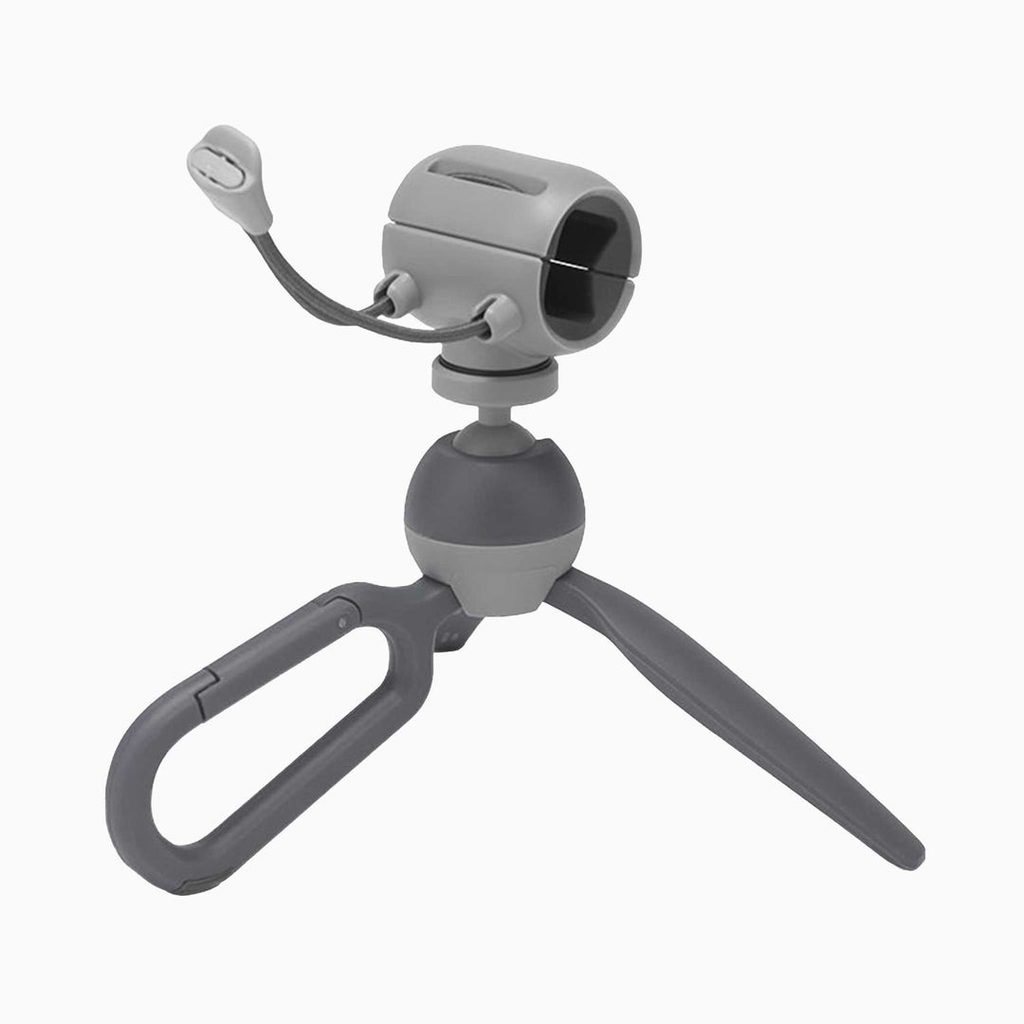
Plenty of products are described as compact, but compact and pocketable are not the same thing. A support that folds down to fit in a backpack side pocket is compact. One that clips onto a belt loop, slides into a jacket, or hangs from a bag strap without you noticing is genuinely pocketable. That difference sounds small, yet it decides whether the support becomes part of your daily carry or stays in a drawer.
A well-designed Pocket Tripod usually shares a few traits: it folds into a shape that works as a handle, it attaches easily to something you already carry, and it sets up in a couple of seconds without fiddly knobs. Some designs add a clip so they can grab onto a bag strap, a table edge, or a railing, while others include a lanyard loop so the support can hang securely from your wrist. The common thread is that every feature is built around speed and portability rather than maximum height.
Weight and shape matter just as much as size. A support that is light but bulky will still feel awkward in a pocket, and one with sharp edges will wear through fabric or catch on your bag lining. Look for smooth, rounded shapes that sit flat against your body when folded. It helps to try a simple test: carry it for a full day without taking it out. If you forget it’s there by the afternoon, it passes. If it keeps reminding you with every step, it will eventually end up left behind.
Where a Full-Size Stand Still Wins
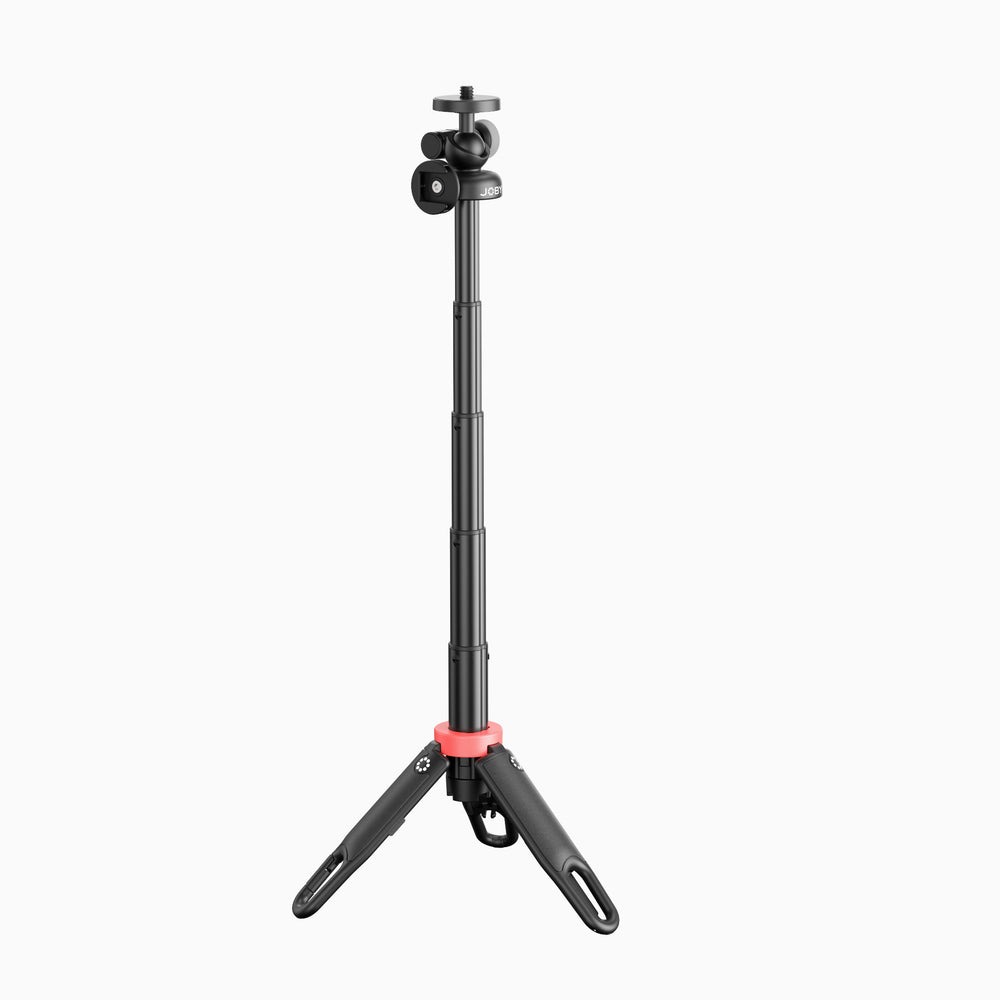
It’s worth being honest about what a small support can’t do. A full-size stand gives you real height, putting the camera at eye level or above without needing a table, wall, or ledge. That matters for landscape photographers who want a natural viewpoint, for anyone filming a presentation or event, and for group photos in open spaces where there’s nothing to perch a small support on.
Larger stands also handle heavier gear with more confidence. A mirrorless camera with a long lens, a video rig with a microphone and light, or a long exposure in the wind all benefit from wide, stiff legs and a sturdy head. If you’re planning a dedicated photo outing, shooting interviews, or working in a home studio, a full-size model is the right tool. The trade-off is weight and bulk, which is exactly why it tends to stay behind on ordinary days.
There’s also a question of setting. Some venues, like museums, stadiums, and busy tourist sites, restrict full-size tripods, while others simply don’t have the space. A full-size stand also takes longer to set up and pack away, which is fine for a planned sunset but frustrating when you’re chasing a fleeting moment. So while larger models remain the clear choice for deliberate, high-quality sessions, they ask more of you in terms of planning, transport, and time.
Where the Smaller Option Pulls Ahead
For everyday life, the advantages of a small support add up quickly. They’re less about raw performance and more about removing the friction between noticing a shot and taking it.
It’s Actually There When You Need It
The most important advantage is presence. A support that rides along on your keys, bag strap, or jacket goes everywhere you go, so it’s available for spontaneous moments. Parents especially benefit here: you can set up a quick shot at the park or a birthday party and finally appear in the photo yourself, instead of being the permanent photographer who never shows up in the family album.
Faster Setup in Busy Places
In a café, on a train platform, or at a crowded market, spreading out a full-size stand draws attention and gets in the way. A small support sets up on a tabletop, windowsill, or bench in seconds and takes up almost no space. Commuters can capture a timelapse of the city from a window seat or a steady shot of a street performer without blocking anyone’s path.
Doubles as a Grip for Moving Shots
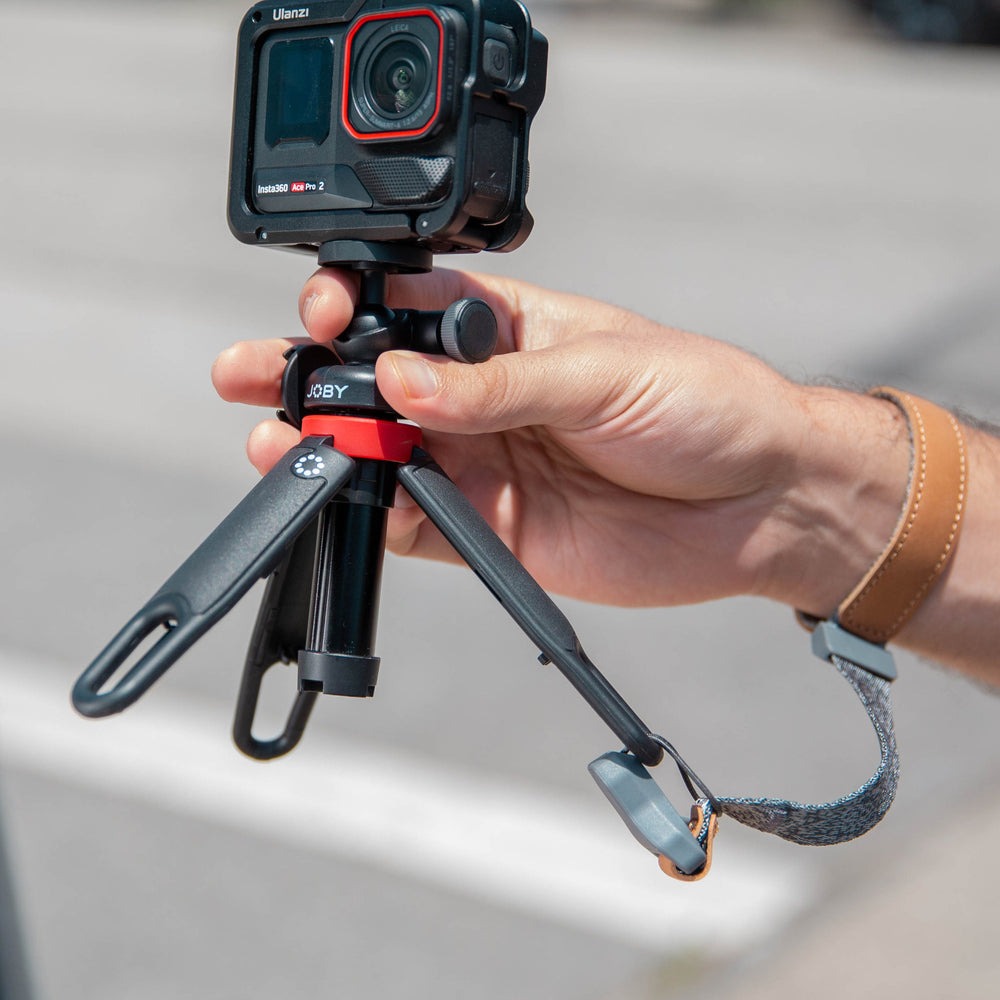
Folded closed, many small supports become a comfortable handle. That gives you a steadier hold for walking vlogs, selfies, and following kids around than gripping the phone alone. Vloggers can switch from a static talking shot on a table to a handheld walking segment without changing gear, which keeps the flow of filming smooth and simple.
To get the most from a small support in these situations, a few habits help. Keep it attached to the same spot on your bag every day so you can reach for it without looking. Leave your phone mount pre-adjusted to fit your phone, so setup is a single motion. And when you use a table or ledge, place the support near the back edge and angle the phone forward, which gives a slightly higher viewpoint and keeps the lens clear of cups, plates, and elbows.
A Realistic Day With Each Setup
Imagine a Saturday that starts with a morning walk, moves to a child’s sports game, includes lunch with friends, and ends with sunset at a lookout. With a full-size stand, you’d probably leave it in the car for most of the day. It’s too awkward on the walk, too intrusive at the game, and out of place at lunch. At sunset, you’d fetch it, set it up, and get a lovely, tall, stable shot.
With a small support clipped to your bag, the day looks different. You grab a steady clip of the morning fog from a fence post, a sideline video from the bleacher rail, a group photo propped on the lunch table, and a sunset frame from a wall at the lookout. The sunset shot might sit a little lower than it would on a full-size stand, but you’d come home with four steady moments instead of one. For most everyday shooters, that trade is worth it.
Questions to Ask Before You Decide
If you’re still weighing up the two options, a few honest questions usually settle it:
- How often do you plan photo outings compared with shooting on the go?
- Do you mainly use a phone, or a heavier camera with larger lenses?
- Would you carry a full-size stand on an ordinary weekday?
- Do you need eye-level height, or will tables and ledges usually work?
If most of your answers point to spontaneous, phone-based shooting, start with a small support and add a full-size one later if you need it. JOBY makes compact options with clips and lanyard attachments that suit this everyday style, making it easy to keep one on your bag permanently. Many people eventually own both, using each for the situations it handles best.
Choosing Support That Fits Your Everyday Life
The right support depends less on specifications and more on how you spend your days. Full-size stands still win for height, heavy gear, and planned sessions like landscapes, interviews, and studio work. For commuters, parents, and casual vloggers, though, a small support that clips on, hangs from a strap, and sets up in seconds will capture far more moments simply because it’s always there. It also works as a grip for moving shots and fits into busy places where a larger stand would be awkward. Think about a typical week, answer the questions above honestly, and choose the tool that matches your real habits. If you do more planned shooting later, adding a full-size model is easy. Until then, the support you carry every day will likely do more for your photos and videos than the one waiting at home.