
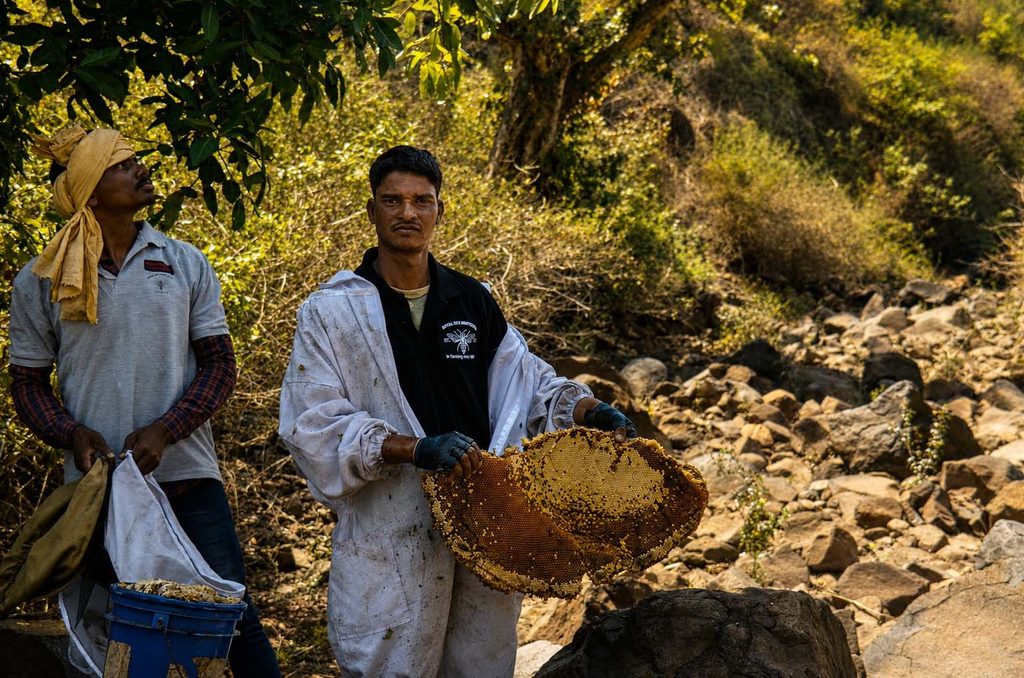
India’s relationship with honey goes far beyond the jars found on supermarket shelves. Across forests, hills, wetlands and rural landscapes, bees collect nectar from a remarkable variety of flowering plants, producing honey with differences in colour, aroma, flavour and texture.
Wild forest honey in India has a particularly interesting story. Unlike honey produced primarily through managed colonies placed near cultivated crops, wild honey is traditionally collected from naturally occurring bee colonies in forest and wilderness landscapes. The journey from a remote bee colony to a finished jar brings together biodiversity, traditional knowledge, seasonal cycles and the livelihoods of honey-collecting communities.
What Is Wild Forest Honey?
Wild forest honey is honey collected from naturally established bee colonies that forage across forest vegetation and surrounding landscapes. Because bees may visit many different flowering plants, forest honey is often associated with a diverse floral environment rather than a single cultivated source.
This can influence its natural characteristics.
The colour of forest honey may range from light golden and amber shades to deeper tones. Its flavour can be delicate and floral in some regions, while other varieties may have stronger, earthy or caramel-like notes.
There is therefore no single colour, flavour or texture that defines all Indian forest honey.
Season, rainfall, flowering patterns, bee species, geography and storage conditions can all contribute to variation.
Which Bees Produce Wild Honey?
India has a diverse population of honey bees and other native pollinators. One of the most important species associated with traditional wild honey harvesting in India is the rock bee, Apis dorsata.
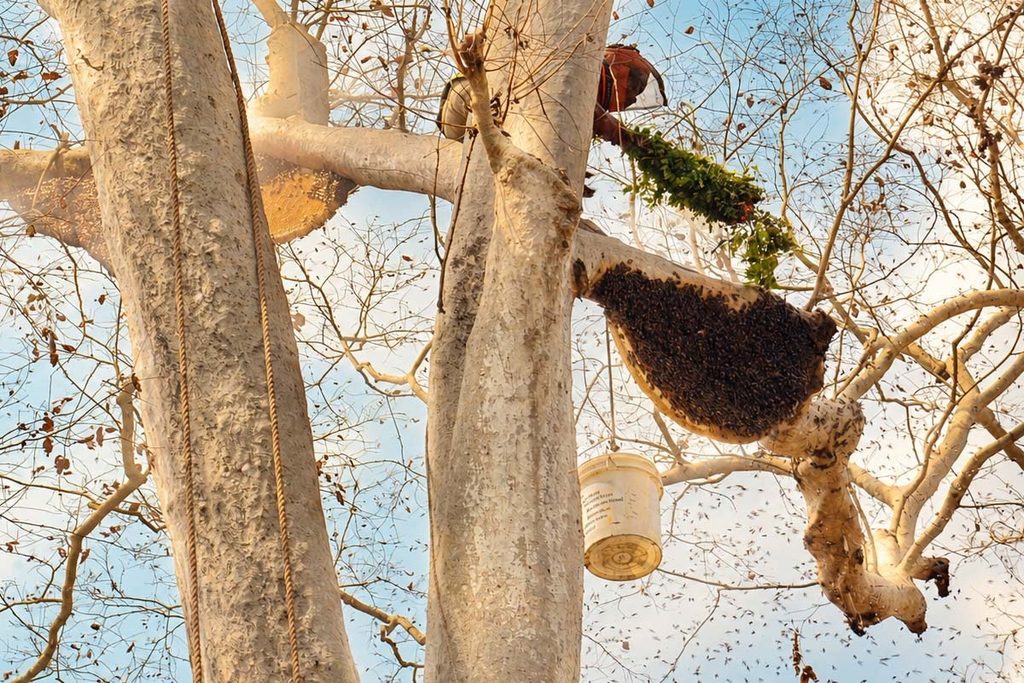
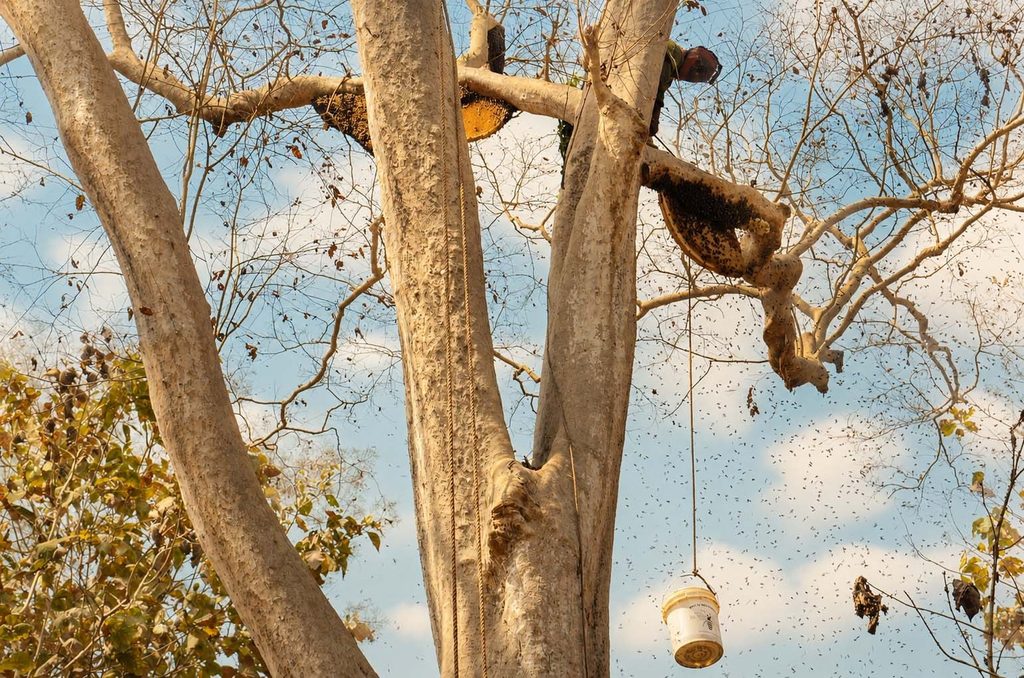
Rock bees are known for building large, exposed colonies on tall trees, cliffs and other elevated locations. Unlike bees maintained in conventional hive boxes, these colonies establish themselves naturally in the environment.
Other bee species contribute to India’s honey diversity as well. Apis cerana, for example, is commonly associated with traditional and managed beekeeping, while stingless bees represent another fascinating group of native bees found in parts of the country.
The species of bee, its nesting environment and the flowers available during a particular season all contribute to the character of the honey produced.
How Is Honey Collected From Forests?
Traditional forest honey harvesting requires considerable knowledge of bees, seasons and local terrain.
Experienced honey collectors first identify colonies and assess their location. Depending on the region, colonies may be found high in trees, on cliffs or in other difficult-to-access places.
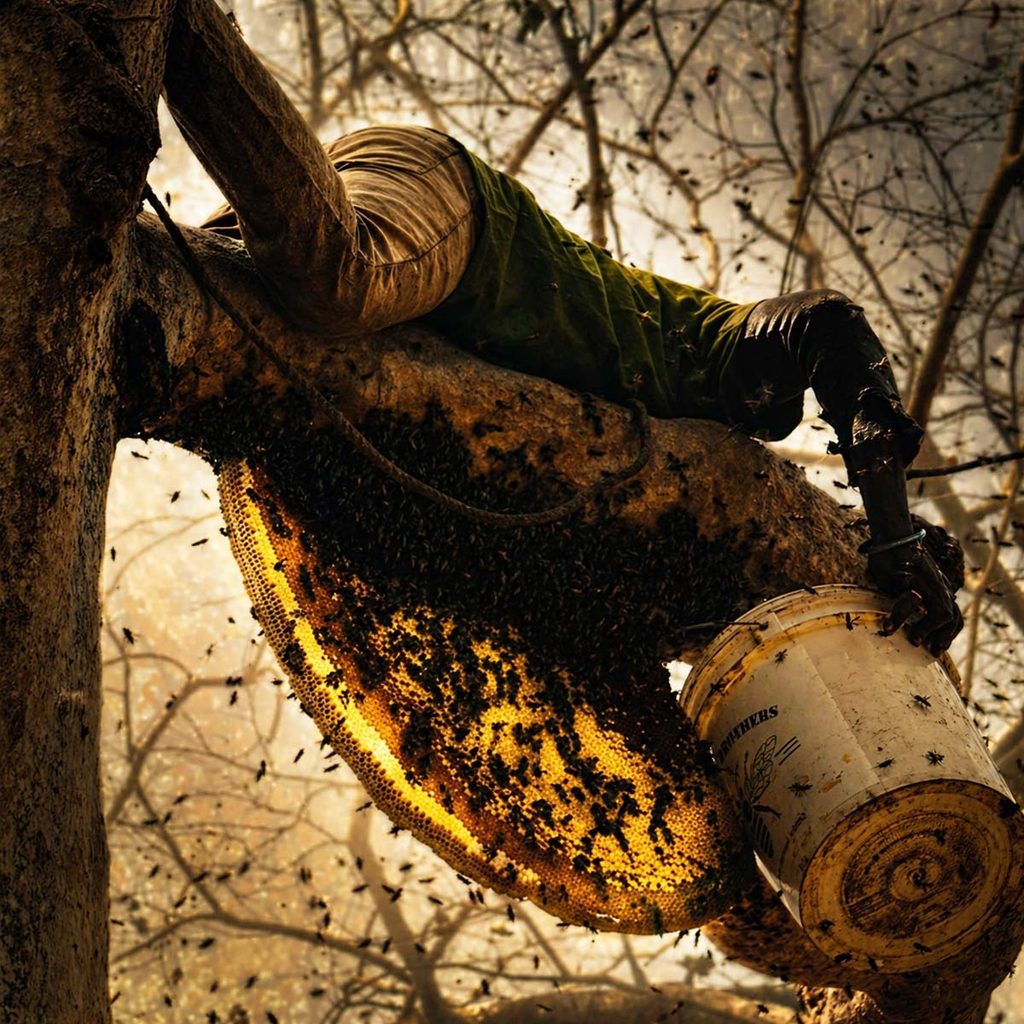
Historically, collectors have used smoke and other traditional techniques to temporarily move bees away from sections of the colony being harvested. The honey-containing comb is then carefully removed.
Methods can differ substantially between communities and ecosystems.
Responsible harvesting is particularly important when dealing with wild bee colonies. Removing too much honey or damaging the brood can affect the colony’s ability to survive. For this reason, sustainable honey collection focuses on balancing the collection of honey with the continued health of bee colonies.
Wild Honey From Different Indian Forests
India’s ecological diversity means that honey from Indian forests can vary significantly from one region to another.
Central and Eastern India
The forests of central and eastern India support diverse flowering plants and long-standing forest-based livelihoods. States and regions including Odisha and parts of central India have traditions associated with wild honey collection.
In these landscapes, honey collection can form part of a wider livelihood system involving forest products, agriculture and local trade.
The resulting honey can reflect the surrounding vegetation and the season in which it is collected.
Himalayan Forests
The Himalayan foothills provide another distinctive environment for honey production.
Changes in altitude, temperature, flowering seasons and vegetation influence bee activity. Traditional beekeeping and honey collection are part of rural life in several Himalayan communities.
Honey from these landscapes can therefore carry characteristics associated with both the local flora and the altitude at which bees forage.
The Sundarbans
The Sundarbans represent one of India’s most distinctive environments for wild honey collection.
This extensive mangrove ecosystem provides habitat for wild bees and a range of flowering plants. Traditional honey collectors enter the forest during appropriate seasons, often navigating waterways and difficult mangrove terrain.
The experience demonstrates how closely honey production can be connected to geography. The forest is not simply where the bees live; it shapes the resources available to them and, consequently, the characteristics of the honey.
From Honeycomb to Jar
The journey does not end when honey is collected from the forest.
After harvesting, the honey must be handled carefully. Natural wax, particles and other unwanted material may need to be separated during processing. Appropriate extraction, filtration, storage and packaging practices help maintain product quality.
Moisture management is also important because excessive moisture can affect honey stability.
For consumers, this means that the quality of a finished jar depends on more than where the honey originated. Bee species, floral sources, harvesting practices and post-harvest handling all form part of the story.
This is why traceability and information about the origin of natural forest honey can be useful when comparing different products.
Why Sustainable Honey Harvesting Matters
Wild honey depends on healthy bees and healthy ecosystems.
Forests provide bees with flowering plants, nesting opportunities and shelter, while bees contribute to pollination within these ecosystems. Maintaining this relationship is important for both biodiversity and the communities that depend on forest resources.
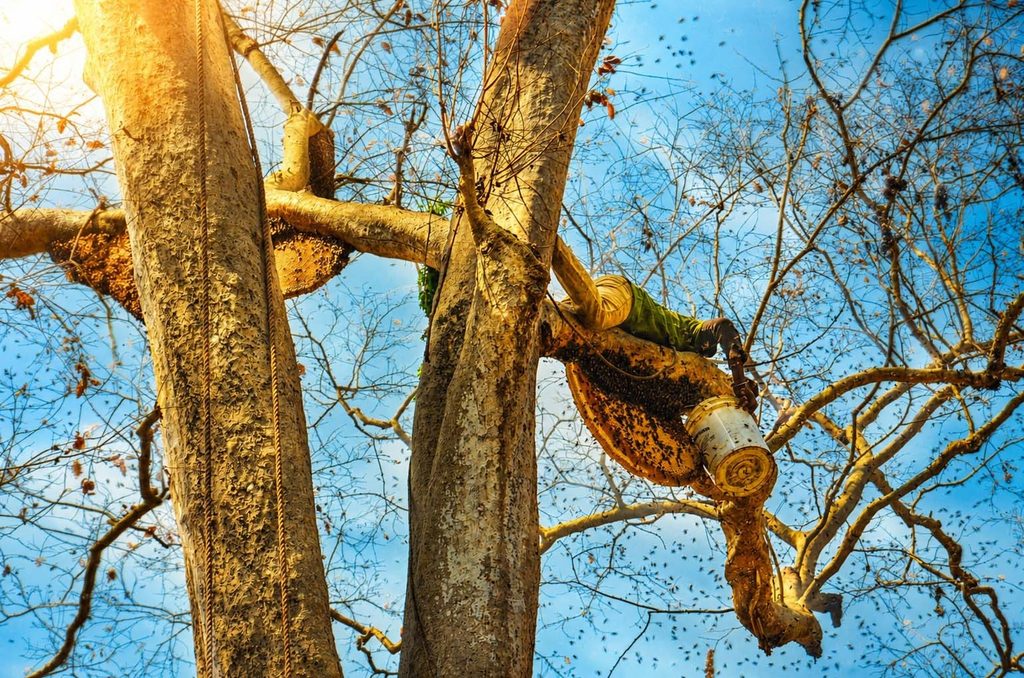
Sustainable wild honey harvesting therefore involves more than taking honey from a colony. It requires awareness of bee behaviour, seasonal conditions and the long-term health of the surrounding habitat.
Responsible sourcing can also create opportunities for forest-dependent communities by connecting traditional knowledge and local products with wider markets.
Understanding the Story Behind Indian Forest Honey
Every jar of forest honey carries the influence of its landscape.
The flowers available during a particular season, the species of bee collecting nectar, the geography of the forest and the methods used by honey collectors can all contribute to the final product.
For readers interested in exploring the subject further, this detailed guide to wild forest honey in India examines the origins, characteristics, harvesting traditions and regional diversity associated with forest honey.
From the flowering plants of a remote forest to the work of experienced honey collectors and finally to a carefully handled jar, wild honey represents a remarkable connection between nature, people and place.
Understanding that journey also provides a different perspective on honey—not simply as a sweet food, but as a natural product shaped by India’s extraordinary ecological and cultural diversity.