
For decades, the sectional was a fixed arrangement: one long shape, one long commitment. You bought it for a specific wall, and if you moved or rearranged the room, the sofa no longer fit. Modular motion seating changes that equation. Individual pieces lock together, recline independently, and can be separated, reordered, or expanded as a household evolves. The result is a seating system that behaves less like a sofa and more like a set of tools for living. That flexibility comes with its own set of decisions, though, from how many modules you need to how the mechanisms are powered. This article explains what makes modular reclining work, how to plan a configuration that fits your space, and which details separate a section that lasts from one that wobbles within a year. It is written for people who want a living room that adapts rather than one that is frozen in place.
What Makes a Sectional Modular
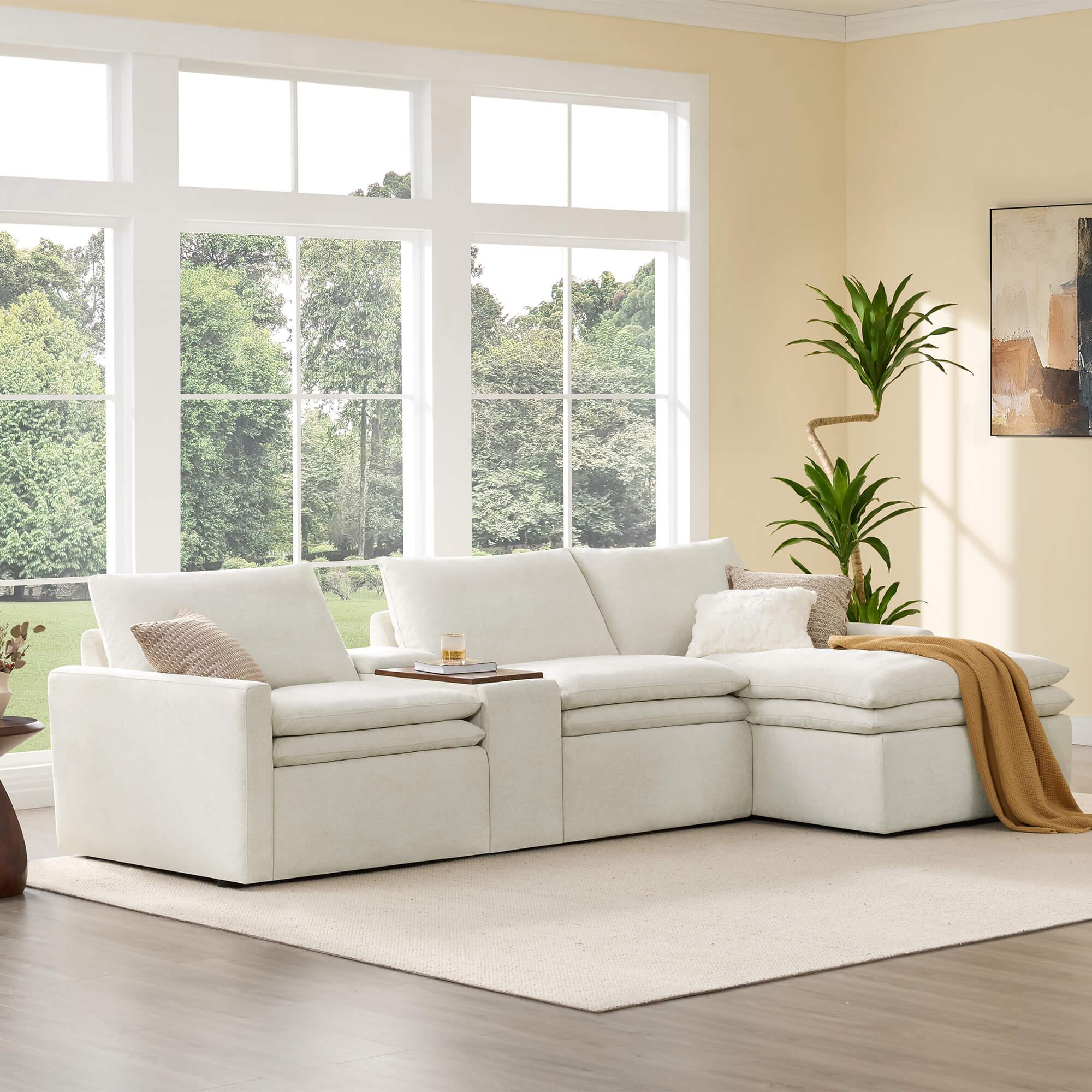
The core idea is simple: instead of one rigid frame, the seating is built from modules that connect with brackets or interlocking bases. Each module can be a plain seat, a recliner, a corner wedge, a console with cup holders, or a chaise. Because the pieces are separate, you can build an L-shape, a U-shape, a straight run, or a split arrangement that faces a fireplace. If you move to a new home, you can reconfigure the same seats instead of replacing them.
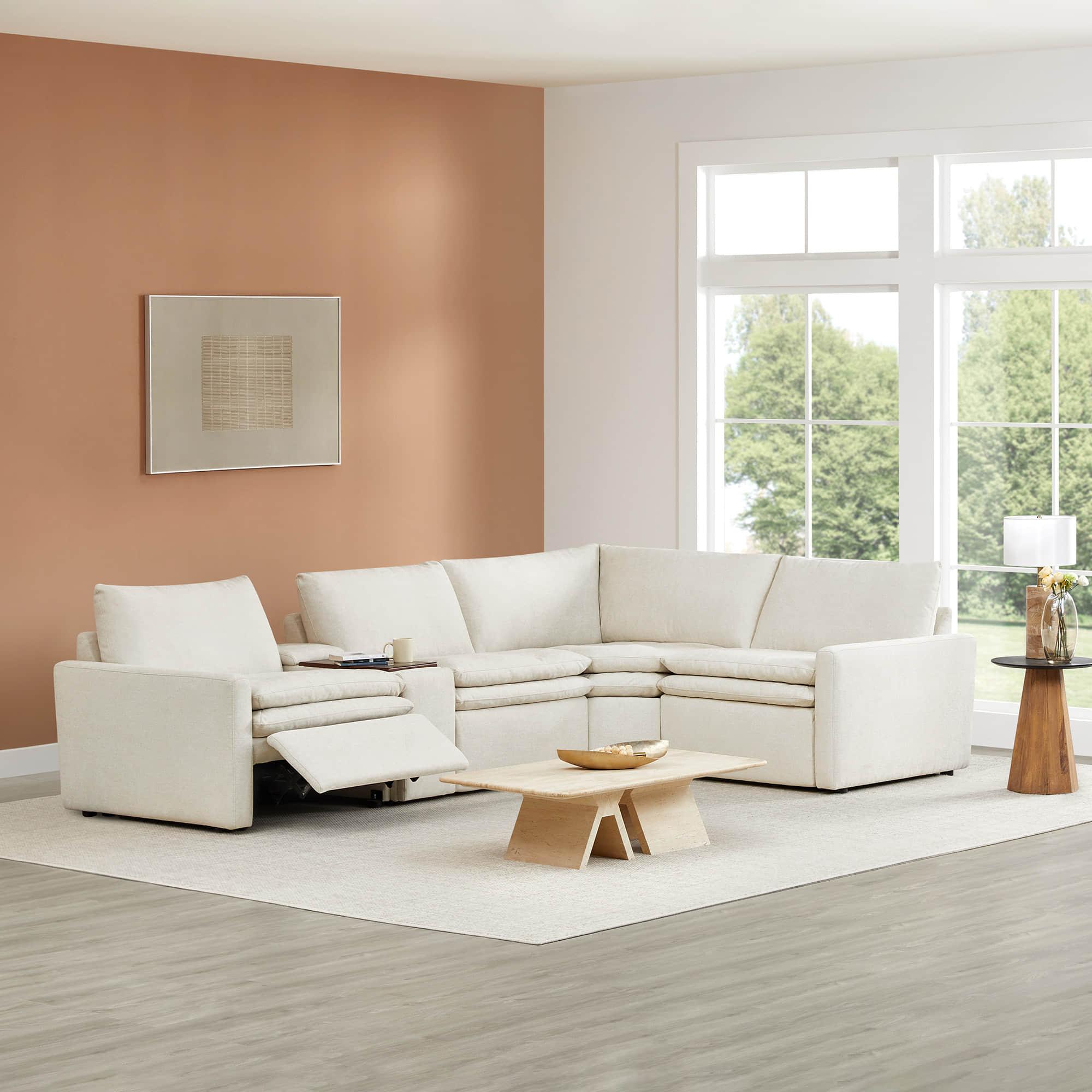
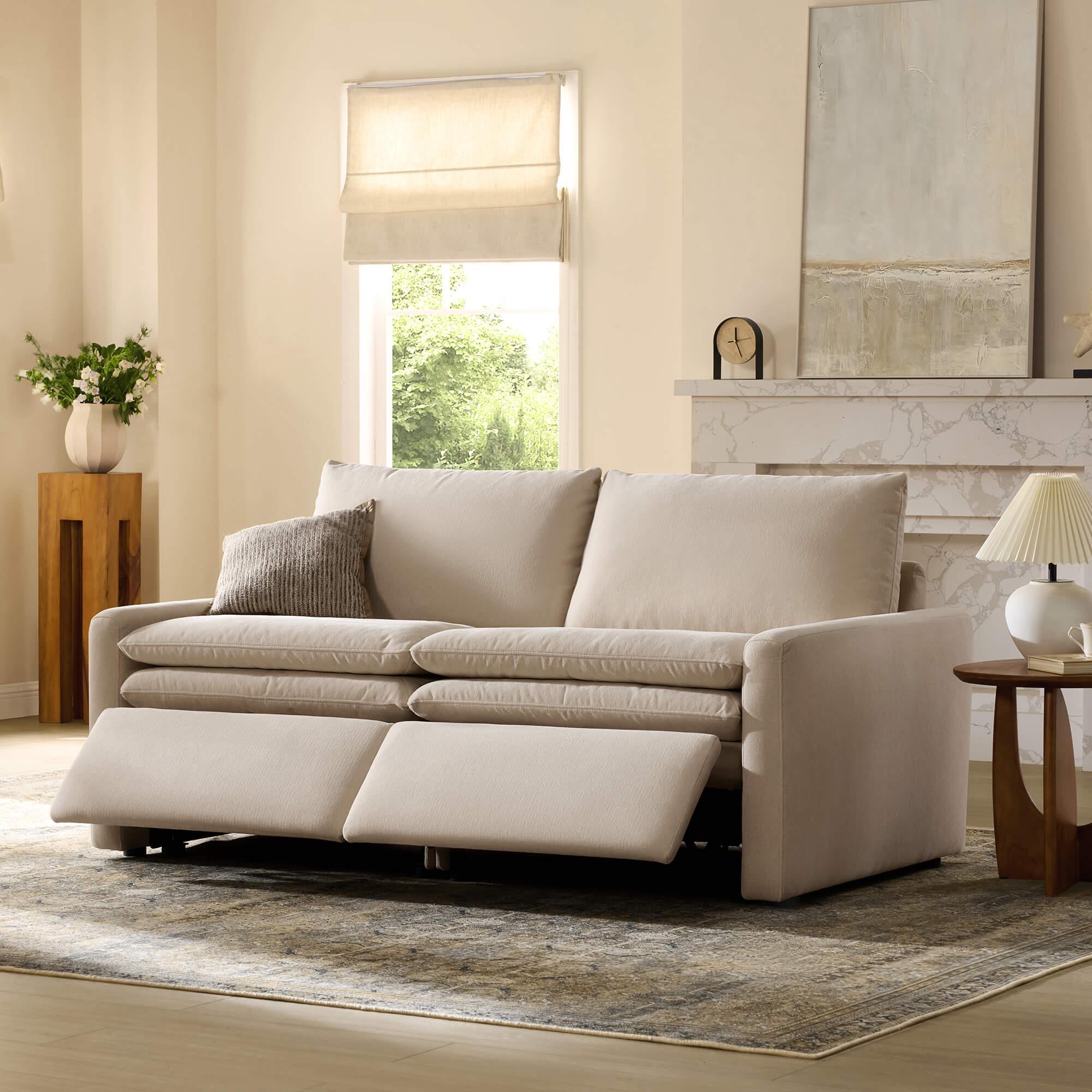
A modular reclining sectional takes this further by giving each seating module its own motion mechanism. One person can lean back with a footrest raised while another sits upright reading, without the whole piece moving. That independence is the feature that matters most in shared living spaces, where different people want different things from the same sofa at the same time.
Independent Motion Changes the Room’s Social Logic
When seats recline separately, the sectional stops being a single object and becomes a row of personal spaces. Someone can nap in the corner while someone else hosts a video call from the other end. The room accommodates different moods at once, which is exactly what open-plan living demands. It also means noise and motion are localized; a motor in one module does not disturb the neighbor seat.
The Hidden Value of Reconfiguration
Modularity pays off at the moments when life changes. A couple adds a child and needs more seating for grandparents. A renter moves into a narrower apartment and needs to split the sectional into two smaller arrangements. Someone starts working from home and wants a chaise for afternoon reading. In each case, adding or moving a module is far cheaper than buying new furniture, and that adaptability is the quiet argument for paying a little more up front.
Planning a Configuration That Fits
Start with the room and the way people move through it. Measure the longest wall, the distance to the television, and the width of every doorway. Then sketch three possible layouts: a straightforward L, a U that wraps a coffee table, and a split arrangement with a floating seat. For each one, mark where the reclined footrests will land. A sectional that reclines into a walkway is a daily annoyance, no matter how comfortable the cushions are.
Think about the corner. A corner wedge eats floor space but creates the deepest, most communal seat. If your room is narrow, a shallow corner or a curved piece keeps the layout open. If the sectional will face a wall-mounted television, leave enough distance for comfortable viewing and enough clearance behind the seats for the reclining motion. Wall-hugger mechanisms help here, because they slide forward rather than back.
The Motion System: Motors, Controls, and Power
A motion sectional is only as good as its mechanisms. Look for steel reclining hardware rather than plastic components, and ask how the motors are rated for repeated use. A quality motor should move smoothly and stop precisely, without the jolt that suggests a weak gearbox. Test the full range of motion in the store, including the transition from fully upright to fully reclined, and listen for grinding or clicking.
Power routing is the detail that trips up first-time buyers. Each powered module needs access to an outlet, so plan the layout around where power is available or budget for extension cords and cable management. Some sectionals use a single power hub that daisy-chains between modules, which simplifies the wiring. Check whether the controls are built into the arm, mounted on the side, or wireless. A control tucked into an armrest is convenient; one that hangs by a cord is easy to lose behind the cushions.
Consider the manual option too. A lever-operated recliner has no motor to fail and no cord to route, which suits rooms without convenient outlets. The trade-off is a firmer motion and less precise positioning. If only one or two seats need to recline, a mixed configuration with manual and power modules can balance cost and convenience.
Footrests, Headrests, and Lumbar Support
Small mechanical refinements make a big difference over years of use. An adjustable headrest lets you watch television with your neck supported instead of propped on a pillow. A power lumbar feature supports the lower back when you are upright and can be eased when you recline. Check that the footrest extends far enough for your legs and that it retracts smoothly. A footrest that stops halfway is a persistent frustration.
Fabric, Frame, and the Reality of Daily Life
Sectionals take more abuse than single sofas because they are used by more people in more positions. Choose a performance fabric if the household includes children or pets, and confirm that covers can be cleaned or replaced. Removable covers are a lifesaver when a spill lands on a corner seat that cannot easily be moved. If you prefer leather, remember that it hides spills but shows scratches, and it can feel warm in summer.
The frame underneath deserves scrutiny. Kiln-dried hardwood or engineered hardwood with reinforced corner blocks will hold up far better than particleboard. Check the seat support: sinuous springs are common, pocket coils feel more supportive, and a combination of both can deliver durability and comfort. Look for joinery that is glued and screwed rather than stapled, and ask about the warranty on the frame and the mechanisms separately, since they fail for different reasons.
Living With a Modular Sectional
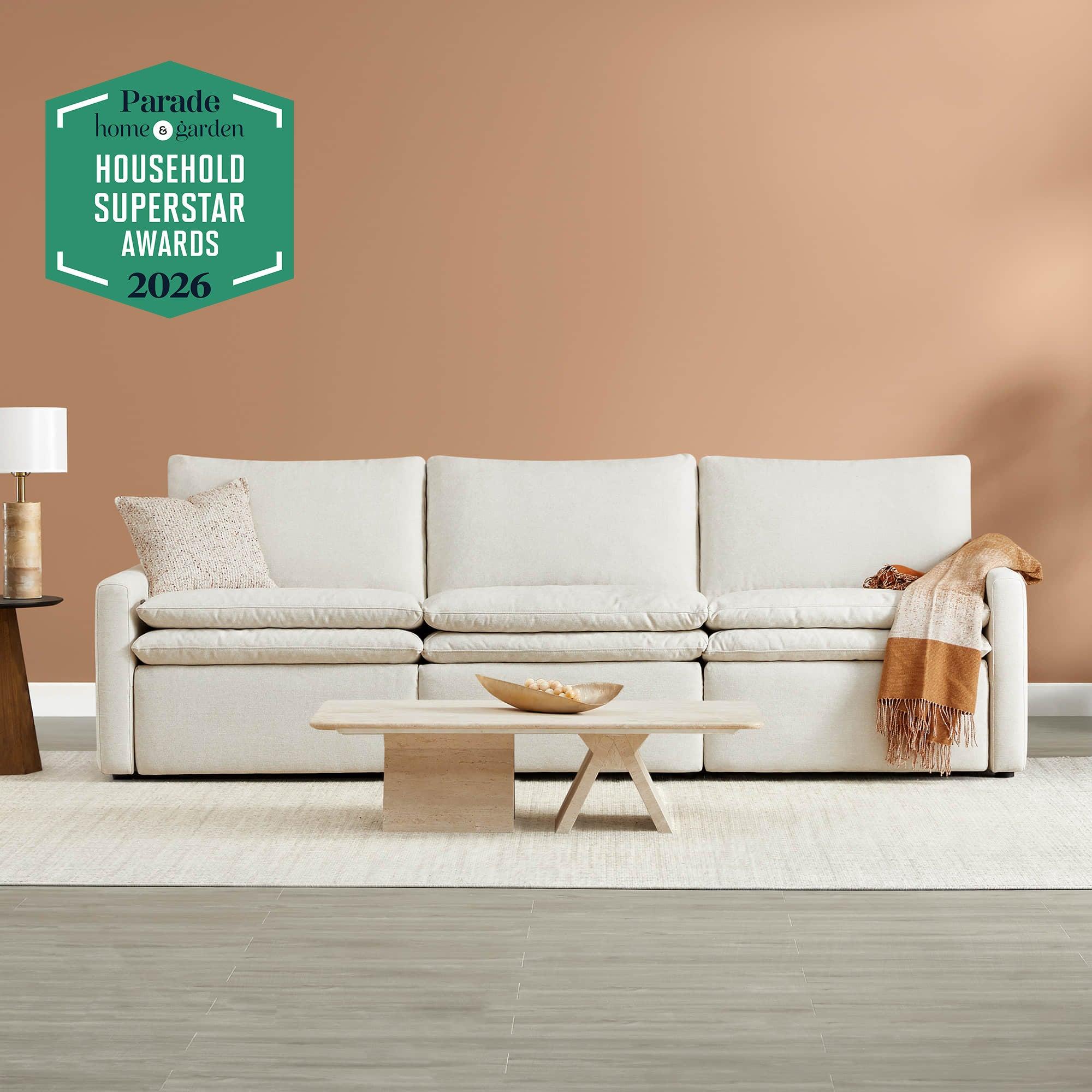
Once the sectional is in place, a few habits keep it comfortable and tidy. Vacuum the crevices between modules weekly, because crumbs and pet hair collect there and abrade the fabric. Rotate the seat cushions every few months so they wear evenly. Keep the connection brackets clean and check that the modules still align; a loose bracket can make the whole arrangement feel unstable. If a module starts to wobble, tighten the hardware before the problem spreads.
Plan the surrounding furniture around the configuration rather than forcing the sectional to fit around existing pieces. A large coffee table may no longer work if a module now reclines into its space; a slim console or a pair of nesting tables may be a better fit. Makers like CHITA LIVING design their modular motion pieces to connect cleanly and to work in smaller footprints, which makes it easier to keep the room from feeling crowded as the configuration grows.
Finally, keep the manual and care information in one place. Motor warranties, fabric cleaning codes, and assembly diagrams are easy to lose in a moving box. A folder with those documents saves a lot of guesswork when a mechanism needs service or a cushion needs replacing.
A Living Room Built to Change
A modular reclining sectional is a bet that your living room will not stay the same forever. That bet usually pays off. Independent motion lets people share a sofa without sharing a posture, and modular construction lets the same seats adapt to a new apartment, a growing family, or a shift to working from home. The decisions that matter are practical: measure the reclined footprint, plan the power routing, and insist on solid frame construction and smooth hardware. Get those right, and the sectional becomes the most flexible piece of furniture in the house, ready to be rearranged as life rearranges itself around it.