
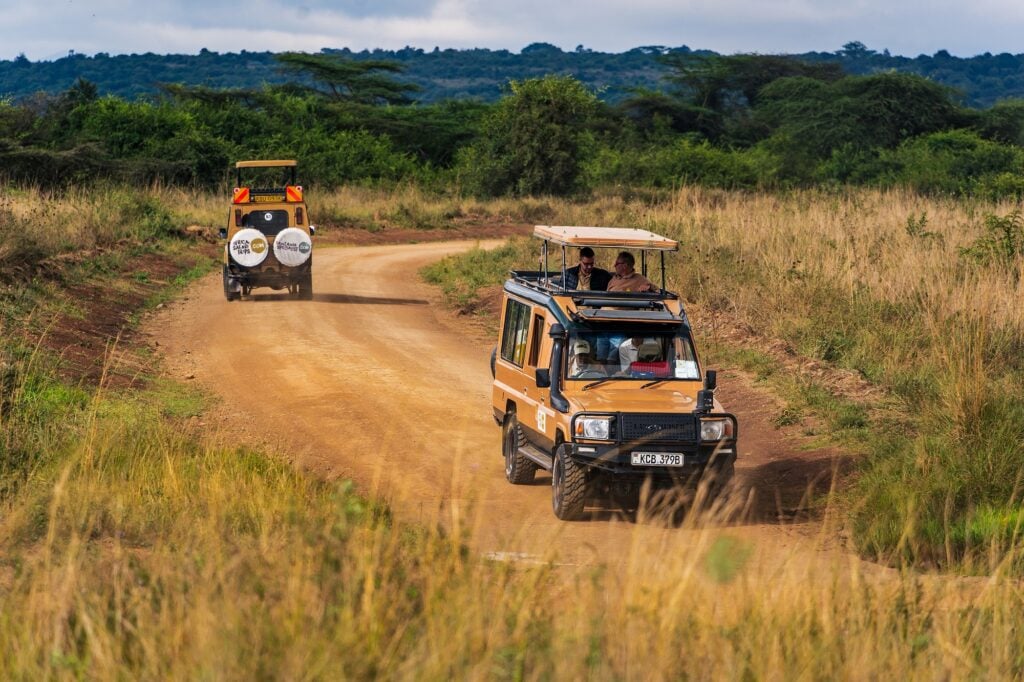
Tanzania can be a rewarding destination for independent travelers who want wildlife, coast, culture, mountains, and wide-open landscapes in one trip. This Tanzania travel guide focuses on the practical side of solo travel in Tanzania: where to go, how to plan safely, what to pack, and how to make the most of your time without feeling isolated or overwhelmed. Use it as a starting point, then confirm current entry rules, health advice, and regional safety updates before you book.
Is Tanzania a good destination for solo travelers?
Yes, Tanzania can suit solo travelers well, especially if you plan your route carefully and use reputable operators for safaris, transfers, trekking, and remote travel. Many visitors travel independently through cities, beaches, and national parks, then join small-group tours for safari or mountain sections where logistics and safety are easier with a guide. The key is to treat Tanzania as an adventure destination, not a place to improvise every detail at the last minute.
Solo travel in Tanzania works best when you balance freedom with structure. You might explore Stone Town on your own, join a guided walking tour for context, take a pre-arranged transfer to the beach, then meet a small group for safari in the north. That approach gives you independence while reducing the stress of negotiating transport, permits, park access, and long-distance road travel by yourself.
The kind of trip Tanzania does best
Tanzania is not just one type of journey. It can be a classic wildlife safari, a beach reset, a cultural trip, a trekking challenge, or a slower route through towns and markets. For solo travelers, the best itinerary usually combines two or three themes rather than trying to see everything.
A first-time route often includes northern safari areas, a few days in Arusha or Moshi, and time in Zanzibar. More experienced travelers may build in Tanzania adventure travel elements such as Kilimanjaro, guided hikes, cycling, diving, or community-based experiences. If comfort matters, a Luxury Tanzania Safari can be a smart choice rather than a splurge for its own sake: better logistics, vetted guides, reliable transfers, and well-managed camps can make solo travel feel calmer and more secure.
The biggest mistake is underestimating distance. Tanzania is large, roads can be slow, and weather can affect travel plans. A tighter itinerary with fewer stops usually creates better solo travel experiences than a rushed route that leaves you tired, late, and constantly repacking.
Safety comes down to preparation and daily habits
Tanzania travel safety is not about being fearful; it is about staying aware, checking official advice, and making choices that reduce avoidable risk. As of October 6, 2026, the U.S. Department of State lists Tanzania at Level 3, “Reconsider travel,” citing unrest, crime, terrorism, and targeting of gay and lesbian individuals; it also notes increased risk in some areas. The UK FCDO advises against all but essential travel within 20 km of the Tanzanian border with Mozambique’s Cabo Delgado province because of attacks linked with Islamic extremism.
That does not mean every traveler has the same risk profile, but it does mean you should read official guidance for your nationality, understand the specific regions mentioned, and check whether your travel insurance is valid for your planned itinerary. If an advisory changes after you book, reassess your route rather than assuming old advice still applies.
Practical solo travel tips for daily safety include:
- Pre-book your first airport transfer. Arriving alone is easier when someone vetted is waiting for you.
- Avoid walking alone late at night. Use trusted taxis, hotel-arranged transport, or reputable ride options where available.
- Keep valuables low-profile. A phone, camera, or watch can attract attention if displayed carelessly.
- Use ATMs strategically. Withdraw in daylight, preferably inside banks, malls, or secure areas.
- Share your route. Send accommodation names, transfer details, and tour contacts to someone at home.
- Trust friction. If a situation feels rushed, confusing, or too insistent, step away and ask your hotel, guide, or operator for help.
The U.S. State Department also lists local emergency numbers including 112 for police, 115 for ambulance, and 114 for firefighters, while warning that emergency response times may be poor. Save these numbers, but also keep your lodge, hotel, guide, insurer, and embassy or consulate contact details offline.
Solo female travel in Tanzania needs confidence and boundaries
Solo female travel in Tanzania is possible, and many women visit independently, but it is wise to plan with extra attention to transport, accommodation, and social boundaries. Choose places with strong recent reviews from other solo travelers, ask about secure arrival arrangements, and avoid being vague about where you are staying. A simple “I’m meeting friends” or “my guide is waiting” can be useful when you want to end a conversation politely.
Dress is another practical consideration. Tanzania is culturally diverse, and expectations differ between safari lodges, beach resorts, cities, villages, and Zanzibar. Official U.S. guidance notes that public dress is conservative, especially in Zanzibar, and that revealing clothing outside beach resorts may be considered offensive. In practice, lightweight trousers, midi skirts, loose shirts, and a scarf can help you feel comfortable while respecting local norms.
Good boundaries do not need to be harsh. Be friendly when you want to be, but do not let politeness override your instincts. If someone asks personal questions, offers unsolicited guiding, or presses for your phone number, you can smile, decline, and keep moving. Confidence is often less about being fearless and more about having a plan before you need one.
Where solo travelers often feel comfortable
The right base can make solo travel in Tanzania feel much easier. A social guesthouse, boutique lodge, or small-group safari camp can provide conversation when you want it and privacy when you do not. Look for places that help arrange transfers, offer clear local advice, and have staff available before early departures or after dark arrivals.
Arusha and Moshi
Arusha is a common launch point for northern safaris, while Moshi is closely associated with Kilimanjaro routes and mountain culture. Both can work well for solo travelers because they have tour infrastructure, accommodation at different budgets, and other travelers passing through. They are not places to switch off your awareness, but they are practical bases for joining group activities.
Northern safari circuits
A safari is one of the easiest ways to turn a solo trip into a shared experience. You can book a private safari if you value flexibility, but joining a small group often lowers costs and creates built-in company. Ask operators how many travelers are in the vehicle, whether park fees and meals are included, what happens if the group size changes, and how they handle solo room supplements.
Zanzibar and the coast
Zanzibar can be beautiful for solo travelers who want beaches, history, food, and slower days. Stone Town rewards guided context, while beach areas are better for relaxing, diving, snorkeling, or doing very little. Before you go, note that Zanzibar requires specific local travel insurance before entry, even for travelers who already have international insurance.
What should you book before arriving?
Book the parts of your trip where being alone would make delays, confusion, or cost more stressful: your first nights, airport transfers, safari, trekking, and any long-distance connections that require reliable timing. Leave flexible space for cafés, markets, beach days, and short local activities. This gives you the best of both worlds: security where it matters and freedom where it feels fun.
Before departure, confirm these essentials:
- Passport and visa requirements. Check official rules for your nationality and apply through official channels where required.
- Insurance. Make sure your policy covers safari, trekking, diving, medical care, evacuation, and any advisory-related limitations.
- Health appointment. The CDC recommends seeing a doctor at least a month before travel to discuss vaccines and medicines for Tanzania.
- Malaria planning. The CDC recommends prescription malaria prevention for certain areas of Tanzania, with timing depending on the medication.
- Arrival logistics. Save your transfer contact, hotel address, and backup phone numbers offline.
- Money access. Carry a mix of payment options, because cards may not work everywhere and ATMs can be unreliable in some areas; the State Department notes that outside major urban centers, travelers should be ready to pay in cash.
Do not treat paperwork as a boring side task. For solo travelers, documentation is part of safety. When your insurance, health preparation, and first transfer are handled, you arrive with more energy for the actual experience.
Packing is about heat, dust, modesty, and movement
Packing for Tanzania is less about fashion and more about being adaptable. You may move between dusty roads, cool mornings, humid coastlines, religiously conservative areas, and lodges with different dress expectations. Neutral, breathable layers are your friend.
A practical solo packing checklist includes:
- Lightweight long trousers or skirts for cities, villages, and evenings
- Breathable shirts that cover shoulders when needed
- A warmer layer for early safari drives or higher elevations
- Comfortable walking shoes and sandals
- Sun hat, sunglasses, and high-SPF sunscreen
- Insect repellent and any prescribed malaria medication
- Reusable water bottle with a purification plan if appropriate
- Power bank, plug adapter, and offline maps
- Small first-aid kit and personal medication
- Copies of passport, insurance, visa, and tour confirmations
- A crossbody bag or money belt for transit days
There is also a plastic-bag rule to know about. U.S. guidance notes a nationwide ban on single-use plastic carrier bags, with only small clear reusable zip-lock bags for toiletries allowed. Pack accordingly so you are not repacking under pressure at the airport.
Health preparation deserves real attention
Health planning can feel confusing because advice depends on your route, health history, vaccination status, and activities. The CDC lists routine vaccines, Hepatitis A, Hepatitis B, malaria prevention for certain areas, polio considerations, rabies risk, typhoid, and yellow fever entry rules among the topics travelers should discuss or review before Tanzania. Yellow fever vaccine is generally not required for direct travel from the United States, but it may be required if arriving from, or transiting for more than 12 hours through, a country with yellow fever risk.
Food and water habits matter too. Eat at busy places where food turns over quickly, wash or sanitize hands often, and be cautious with ice or raw foods when hygiene is uncertain. On safari, ask your operator whether drinking water is provided and whether you need to bring purification tablets or a filter.
Medical care can be limited outside major centers, so do not rely on “figuring it out” if you get sick in a remote area. Carry essential medication, know what your insurance requires before treatment, and ask your guide or accommodation where the nearest reliable clinic is.
How to meet people without losing independence
One of the best parts of solo travel is choosing when to connect. Tanzania makes that easier if you build social moments into the itinerary instead of hoping they happen randomly. Group safaris, guided food walks, dive courses, hostel common areas, cultural tours, and trekking groups can all create low-pressure companionship.
Try this rhythm:
- Start structured. Book a tour or transfer early so you are not isolated on arrival.
- Use shared experiences. Safari vehicles, walking tours, and boat trips naturally start conversations.
- Protect downtime. Schedule solo evenings or slow mornings so you do not burn out socially.
- Keep control of exits. Know how you will get back to your accommodation before joining new acquaintances.
The goal is not to avoid people or attach yourself to strangers. The goal is to create enough connection that the trip feels rich while keeping the independence that made you choose solo travel in the first place.
Respectful travel makes the trip better
Respect is not a performance; it is practical. Learn a few Swahili greetings, ask before photographing people, dress thoughtfully, and be patient with different concepts of time and service. Do not photograph military sites, government buildings, bridges, airports, or police officers; U.S. guidance says this is illegal.
For LGBTQ+ travelers, planning requires particular care. U.S. guidance states that consensual same-sex sexual relations are a criminal offense in Tanzania and warns that gay and lesbian travelers may face targeting, harassment, denied entry, or charges under unrelated offenses. Travelers should read current official advice and make personal decisions based on risk tolerance, privacy needs, and support systems.
Responsible travel also means choosing operators carefully. Ask about guide working conditions, wildlife ethics, community relationships, and what is included in the price. The cheapest option is not always the best value, especially when safety, reliability, and local impact are involved.
A simple solo Tanzania planning framework
If you are early in planning, use this framework to shape a realistic trip:
- Choose your anchor experience. Safari, Kilimanjaro, Zanzibar, diving, culture, or photography.
- Pick two supporting experiences. For example, safari plus Stone Town plus beach time.
- Limit long transfers. Every major move costs energy, especially alone.
- Book safety-critical pieces. First nights, transfers, safari, trekking, and remote stays.
- Leave breathing room. Solo travel feels better when you are not rushing every morning.
- Review official advice one last time. Do this before paying final balances and again before departure.
This structure keeps your Tanzania adventure travel plans exciting without turning them into a logistical obstacle course. It also helps you spend money where it improves the trip most: good guides, safe transport, appropriate insurance, and well-located accommodation.
Final takeaway
Tanzania can deliver unforgettable solo travel experiences, from sunrise game drives to spice-scented streets and quiet days by the Indian Ocean. The difference between a stressful trip and a confident one usually comes down to planning: check current advisories, book reliable support for remote or late-night logistics, prepare for health needs, and respect local norms. With the right balance of independence and structure, solo travel in Tanzania can feel expansive, grounded, and deeply rewarding.