
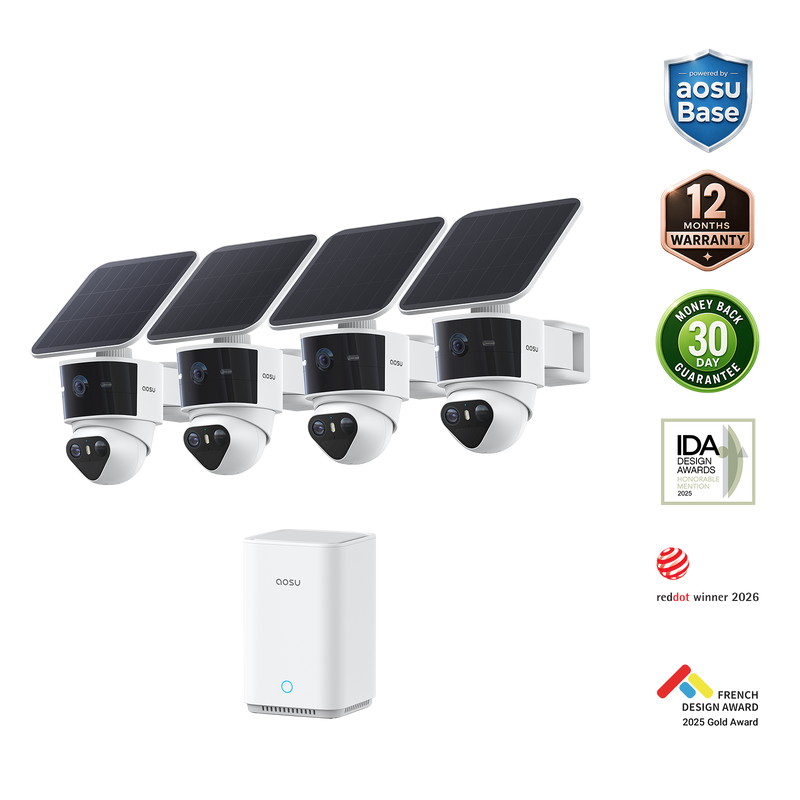
Outdoor conditions are unforgiving on electronics in a way indoor spaces simply are not. Rain, temperature swings, direct sun, and the occasional curious animal all put stress on a camera that an indoor unit never has to face. Outdoor video surveillance cameras are built specifically to handle this, but the term covers a wide spread of build quality, and a camera that survives a mild coastal climate might fail within a season in a location with harsh winters or intense summer heat.
Homeowners protecting a driveway or backyard, landlords monitoring a multi-unit property’s exterior, and small business owners covering a loading dock or parking lot all need slightly different things from an outdoor system. This guide breaks down the factors that actually determine whether an outdoor camera holds up over years of exposure, rather than just the first few months.
Weatherproofing Ratings and What They Actually Mean
Most outdoor cameras list an IP rating, such as IP65 or IP66, and it is worth understanding what those numbers represent rather than treating them as a generic seal of approval. The first digit refers to protection against solid particles like dust, and the second refers to protection against water. A rating of IP66, for example, indicates strong resistance to both dust ingress and powerful water jets, which matters if the camera will face direct rain or spray from sprinklers.
Beyond the IP rating, check the camera’s stated operating temperature range, particularly if you live somewhere with cold winters or hot summers. A camera rated for a narrow temperature band may function fine in spring and fall but struggle to start up reliably during a deep freeze or overheat during a heatwave, even if its weatherproofing against rain is excellent.
Night Vision and Low Light Performance
A significant portion of outdoor incidents happen after dark, which makes night vision quality one of the most important practical features rather than a nice-to-have. Infrared night vision is the most common approach and works well for basic detail, though it renders footage in black and white and can wash out at close range.
Comparing Infrared and Color Night Vision
Newer color night vision systems use larger sensors and sometimes a supplemental light source to capture usable color footage even in low light. Color detail can be genuinely useful for identifying clothing or vehicle color in an incident, though these cameras typically draw more power and may not perform as well in complete darkness compared to a dedicated infrared unit. Deciding between the two often comes down to whether the location has any ambient light at night, such as a nearby street lamp, or is truly pitch dark.
Motion Detection Range in the Dark
Motion detection sensitivity often behaves differently at night than during the day, since infrared illumination has a limited effective range. A camera that detects motion accurately at thirty feet in daylight might only reliably trigger at half that distance after dark. Checking a camera’s specified night detection range, rather than assuming it matches the daytime figure, avoids a surprise gap in coverage exactly when it matters most.
Field of View and Resolution Trade-offs
A wider field of view covers more ground with a single camera, but it can also mean less detail on any one part of the frame, particularly at greater distances. Higher resolution sensors help offset this by preserving detail even as the field widens, so pairing a wide angle lens with a lower resolution sensor often produces footage that looks fine on a small phone screen but loses usable detail when zoomed in later.
For driveways, yards, and other wide open areas, outdoor video surveillance cameras with at least a moderately wide field of view combined with a higher resolution sensor generally strike the best balance, letting you cover more area without giving up the ability to identify faces or read a license plate when reviewing footage.
Mounting Durability for Long-Term Use
The mounting bracket itself takes on years of wind, temperature expansion and contraction, and occasional accidental bumps, so a flimsy bracket can undermine an otherwise solid camera. Metal brackets generally outlast plastic ones in exposed locations, and adjustable ball joints make it easier to fine-tune the angle after installation without needing to remount the entire base.
AOSU’s outdoor lineup uses reinforced mounting hardware designed to hold position through seasonal temperature shifts, which helps avoid the slow drift in camera angle that can otherwise go unnoticed until you check the footage and realize the frame has shifted.
Building Outdoor Coverage That Lasts
The difference between an outdoor camera that performs well for years and one that fails within a season usually comes down to weatherproofing, night performance, and mounting durability rather than headline specs like megapixel count. Matching these details to your climate and the specific areas you need covered is what actually determines long-term reliability.
With those fundamentals accounted for, an outdoor surveillance setup can keep watch over a property through every season without demanding constant attention or repeated troubleshooting.
