
Buying a translator used to be simple because the choices were narrow and the results were consistently mediocre. That has changed. The market now offers pocket devices that promise real-time conversation across dozens of languages, offline translation on remote trails, and simultaneous interpretation during business meetings. The promise sounds identical across brands, yet the actual experience varies wildly once you leave the demo video behind. This guide is a practical framework for making the decision without guesswork. It walks through the questions to ask before you shop, the specifications that genuinely predict quality, and the everyday scenarios where a purpose-built device outperforms a phone app. Whether you travel for work, host multilingual clients, or move between languages every day at home, the goal is to leave with a shortlist rather than a shopping cart full of regrets.
Start With Your Real Use Cases
The most common mistake is buying based on the language count printed on the box. Support for one hundred and thirty languages sounds impressive until you realize you only ever need three, and the model is mediocre at two of them. Begin by writing down the actual situations in which you will pull the device out of your bag. A frequent traveller to Southeast Asia, a project manager coordinating factory floors in Guangdong, and a hospital volunteer supporting refugee families each have entirely different requirements even though all three might reach for the same product category.
Once the scenarios are on paper, the specifications sort themselves. Someone conducting long negotiations needs strong two-way conversation mode with clear speakers and reliable diarization. A traveller wandering unfamiliar streets values quick photo translation of menus and signs above everything else. A tour guide wants a broadcast mode that sends translation to multiple listeners at once. When the device matches the scenario, you stop tolerating friction that never should have existed.
The Specifications That Actually Matter
Marketing pages love raw numbers, but only a handful of specifications correlate with real satisfaction. Focus on those and ignore the rest until they become genuinely relevant.
Translation Accuracy Under Load
Accuracy in a quiet studio means little. What you need to know is how the model handles overlapping speech, regional accents, and technical vocabulary in your field. A well-built ai translator device pairs strong acoustic hardware with translation engines that have been tuned for messy real-world audio. If reviewers report that a device shines in controlled tests but struggles in restaurants, take the warning seriously. Your life happens in restaurants, taxis, and trade-show halls, not in soundproof rooms.
Latency and Conversation Flow
A translator that takes six seconds to respond breaks the rhythm of any human conversation. Latency under two seconds feels like a real interpreter is helping. Ask about the delay in two-way mode specifically, because processing two directions of speech is where slower devices reveal themselves. Read reviews from users who record long conversations rather than short greetings, because that is where poor latency compounds into fatigue.
Offline Capability and Battery
Even the best cloud translation is useless on a plane, deep inside a hospital, or in a rural village with weak connectivity. Confirm which languages work offline on the device you are considering, and check whether offline mode delivers the same accuracy as online or a stripped-down version. Battery life should comfortably cover a full working day. If the device dies at noon, you will leave it at home, and the money spent becomes a slow lesson.
Common Scenarios, Matched to Features
The clearest way to make a final choice is to map features to the moments they will actually serve you.
International Business Meetings
Prioritize devices with strong noise handling, clear speaker output, and a dedicated conversation mode that toggles languages without fumbling. Long battery life and support for external microphones are quiet but decisive advantages. Business users also benefit from recording and transcription features that turn a meeting into a searchable document afterwards, which is where a modern translator quietly becomes a productivity tool as well.
Independent Travel
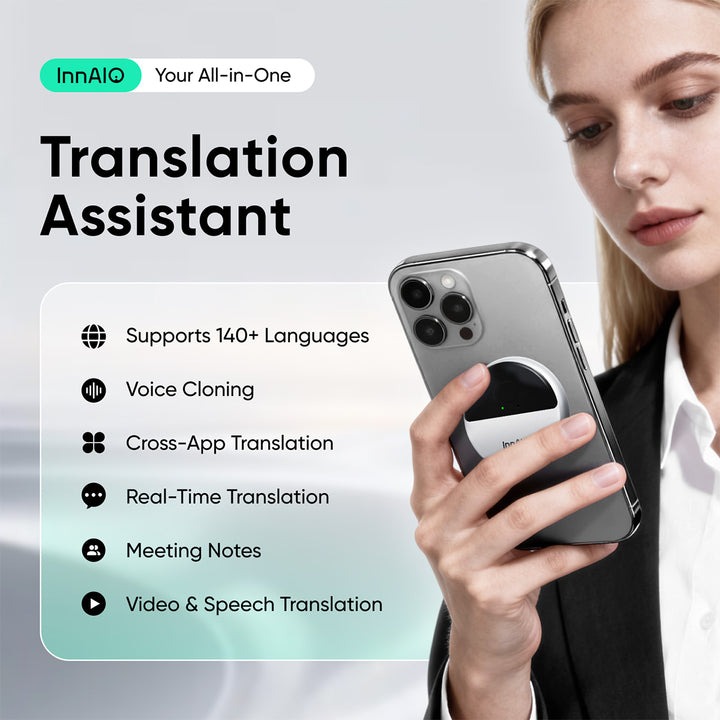
Prioritize photo translation, offline dictionaries, and a rugged form factor. Travellers rarely need to translate a lecture. They need to read menus, decipher signs, and hold short exchanges with a taxi driver or shopkeeper. Devices from brands like INNAIO focus on these fast, high-frequency interactions, which is the right instinct for the way people actually explore new countries.
Multilingual Home and Community Work
For volunteers, teachers, and healthcare workers, the priorities are trust and ease of use. Simple button layouts, quick language switching, and a screen large enough for elderly or visually impaired users all matter more than exotic features. If a caregiver or a parent must fight the interface every time, the device is not doing its job.
Testing Before You Commit
Reviews are useful, but nothing substitutes for a short trial in your own environment. If a retailer offers a return window, use it. Bring the device into your normal week and try it in your actual noisy office, your local restaurant, your video call with an overseas partner. Confirm that the languages you need behave as advertised, not just the ones featured in the marketing video. Test rapid back-and-forth exchanges rather than isolated sentences, because the transitions expose the software’s real quality.
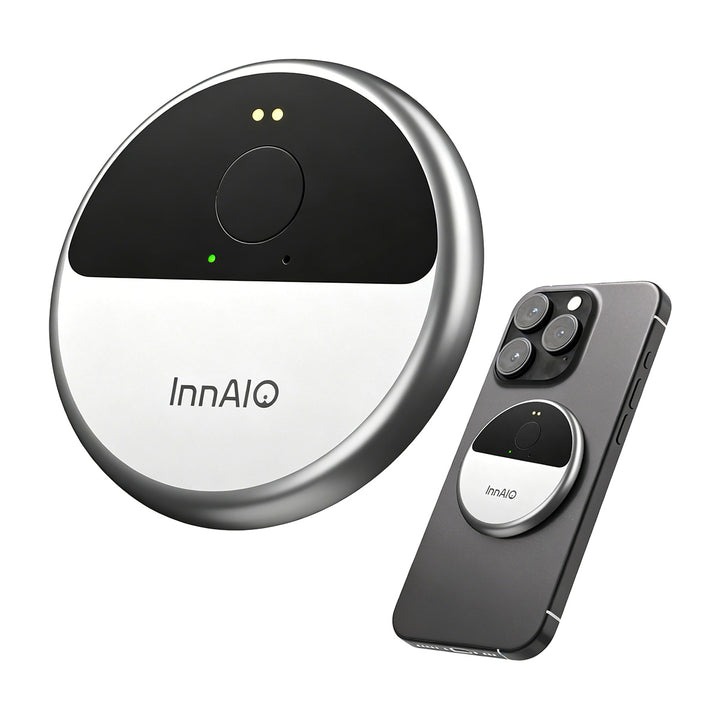
Keep an eye on the small details as well. How intuitive is the button placement when your hands are busy? Does the strap or case fit the way you carry things? How easily can you update firmware when new features roll out? A translator that lives in your pocket for years will earn its keep through hundreds of small conveniences, not one hero feature.
Choosing With Confidence Instead of Marketing
The right translator is not the one with the longest feature list. It is the one that quietly solves the specific communication problems you face most often. By starting with your scenarios, focusing on the specifications that actually predict real-world performance, and testing before you commit, you turn the buying decision from a leap of faith into an informed choice. Once the device is in your hands and doing the job well, you will notice something interesting: the technology fades into the background, and the conversations themselves take centre stage again. That is the outcome every buyer should be chasing, and the framework above is the shortest path to reaching it.