
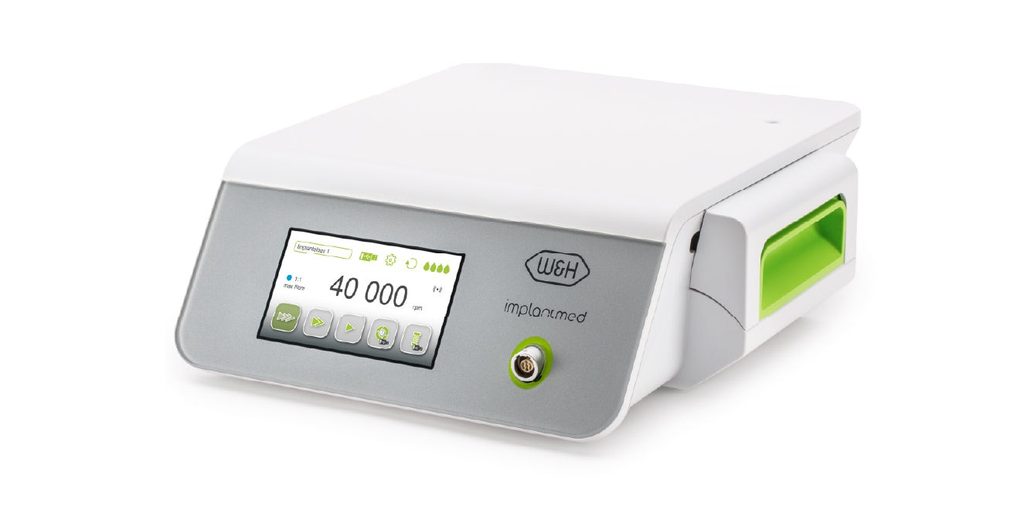
Implant dentistry has evolved from a specialty niche into a routine component of restorative practice, and the equipment supporting it has evolved alongside. What was once considered specialized surgical equipment now defines the baseline of professional care, and the implant motor sits at the center of that transformation. Today’s implant motor is a precision electronic instrument that manages torque, speed, and irrigation with a degree of control unavailable a generation ago. Clinicians selecting or replacing this equipment face a market crowded with claims and specifications, many of which matter clinically and some of which do not. This article examines where the implant motor category stands today, which technical capabilities have become genuinely important, and how practitioners should think about matching equipment to the scope of surgical work they perform. Whether you place a handful of implants monthly or run a high-volume surgical practice, the equipment decision shapes daily work in ways worth understanding.
The Central Role of the Implant Motor
An implant motor coordinates the electromechanical and hydraulic systems required for controlled bone preparation. It regulates rotational speed across the wide range required by different drill types, delivers torque precisely for both cutting and final implant seating, and manages irrigation flow to prevent thermal damage. This coordination is the difference between a controlled surgical procedure and one where the clinician compensates constantly for equipment inconsistency. A well-designed implant motor disappears into the workflow, letting the surgeon focus on anatomy and technique rather than fighting with equipment behavior.
Torque Control as a Clinical Requirement
Final implant seating requires torque control accurate to within a few Newton-centimeters. Overshooting during seating compresses the surrounding bone and risks micro-fractures at the osteotomy walls; undershooting fails to achieve the primary stability that supports early healing. Modern motors deliver torque with high precision and automatic reverse function when programmed limits are reached. Clinicians relying on manual estimation of torque are working with an instrument category that has been superseded by motors capable of documenting exact seating values.
Technical Capabilities That Now Define the Category
Certain features have shifted from premium options to expected capabilities in contemporary implant motors. Practices evaluating equipment purchases should treat these as baseline requirements rather than upgrades.
Programmable Procedure Sequences
Storing settings for pilot drilling, progressive widening, taping, and final seating in a single sequence eliminates the need to adjust parameters mid-procedure. The clinician moves through the surgical protocol by advancing through preset stages, with speed, torque limit, and irrigation flow automatically adjusted for each step. This capability reduces cognitive load during surgery and standardizes protocol adherence across the surgical team.
Integrated Data Recording
Modern motors record maximum seating torque and other procedural data automatically, feeding into digital patient records for documentation and outcome analysis. Reviewing torque data across cases reveals patterns in bone density interpretation and implant selection that would otherwise remain invisible. For practices building evidence-based protocols, this data capability is increasingly non-negotiable.
Reliable Irrigation Coordination
The pump integrated into the motor system determines irrigation reliability during the procedure. Peristaltic pumps with adjustable flow rates matched to drill diameter and depth maintain thermal control across the full drilling sequence. Practitioners evaluating equipment should test the pump under realistic conditions rather than accepting specification sheets at face value. Manufacturers such as Plovio design their implant motor systems with irrigation performance as an integrated priority rather than an afterthought.
Matching Equipment to Practice Scope
The right motor depends on the volume and complexity of implant work performed. A practitioner placing straightforward single-tooth implants monthly has different requirements than a specialist handling full-arch reconstructions weekly. Rather than defaulting to the most advanced option available, consider the practical daily use case.
- Speed range and torque ceiling appropriate to the largest implants placed
- Battery or corded operation matched to operatory setup
- Foot pedal ergonomics that suit the working posture of the surgeon
- Screen readability from the standing surgical position
- Serviceability and replacement part availability over expected lifespan
Overspecifying leads to equipment whose capabilities are never used and whose complexity adds friction to daily operation. Underspecifying creates limitations that surface at inconvenient moments during complex cases. Matching capability to scope produces the highest daily satisfaction with the purchase.Alongside choosing suitable equipment, dental practices should establish clear protocols for managing complications and ensuring patients can access timely care when unexpected issues arise. Keeping Emergency Dentist St. Louis as a reference can help patients locate urgent dental care when immediate attention is needed outside routine appointments.
Supporting Infrastructure Around the Motor
The motor performs only as well as the surrounding equipment allows. Handpiece compatibility, tubing reliability, and drill quality all interact with motor performance to determine actual surgical results. Building a coherent equipment system where components are matched by design rather than assembled piecemeal produces the smoothest daily experience. Clinicians who assemble their surgical setup from a single ecosystem generally encounter fewer compatibility surprises and enjoy more predictable performance across procedures.
Choosing Equipment That Meets Modern Expectations
The implant motor has moved from being a specialty purchase to a defining component of contemporary surgical practice. Clinicians evaluating current equipment should understand that the market’s baseline has shifted, and features once considered premium are now essential to meeting professional standards of care. Torque precision, programmable protocols, integrated data capture, and reliable irrigation coordination together define what a modern implant motor delivers. Matching these capabilities to the actual scope of implant work in the practice produces equipment decisions that support surgical outcomes for years rather than requiring re-evaluation with every complex case. As implant dentistry continues to become more routine in general practice, the equipment supporting it will continue to advance, and practitioners who understand the current state of the category are best positioned to invest wisely. The motor that seemed advanced a decade ago may not meet today’s baseline; recognizing that shift is the first step toward equipment decisions that serve both the practitioner and the patient over the long term.