
Picture a family trying to organize a birthday dinner at a restaurant they’ve never visited. They like the photographs online, but they’re unsure whether the dining area is large enough, whether the menu accommodates everyone’s preferences, or how the decorations will look. A few messages might answer those questions, but a quick video conversation with the restaurant manager could make planning much easier.
Restaurants are finding new ways to communicate with customers long before they arrive for a meal. Digital menus, online ordering, instant messaging, and virtual consultations have become useful parts of modern hospitality.
The Customer Experience Now Begins Before the Restaurant Visit
Someone searching for dinner might compare menus, read customer reviews, examine photographs, and check available reservations before deciding where to eat. If basic information is difficult to find, they may simply choose another restaurant.
Accurate opening hours, readable menus, clear pricing, and recent photographs help customers make decisions without unnecessary phone calls. Information about parking, accessibility, and dietary options can be just as important as attractive food photography.
Restaurants don’t need elaborate websites to accomplish this. A simple, well-maintained digital presence is often more valuable than a visually impressive website containing outdated information.
Digital Menus Make Ordering More Convenient
Instead of relying exclusively on printed menus, customers can scan a QR code or open a webpage to explore available dishes. Restaurants can update prices, introduce seasonal items, and remove unavailable dishes without repeatedly printing new materials.
For someone unfamiliar with a restaurant’s cuisine, these details can make choosing a meal easier. A photograph of an unfamiliar dish or a short explanation of its ingredients may answer questions before the customer needs to ask.
Providing printed menus alongside digital options gives guests more flexibility, particularly those who prefer not to use their phones during meals.
Video Conversations Bring Personal Assistance Online
A customer organizing a wedding reception, corporate dinner, or large family gathering may have questions that require a more detailed conversation. They might want to examine seating arrangements, discuss decorations, or understand how different menu packages are presented.
A manager could walk through a private dining room on camera, explain available seating configurations, or show how tables are arranged for larger groups.
Video assistance is less necessary for ordinary takeaway orders, but it can be valuable when customers need visual explanations or personalized recommendations.
Learning From the Simplicity of Online Video Chat
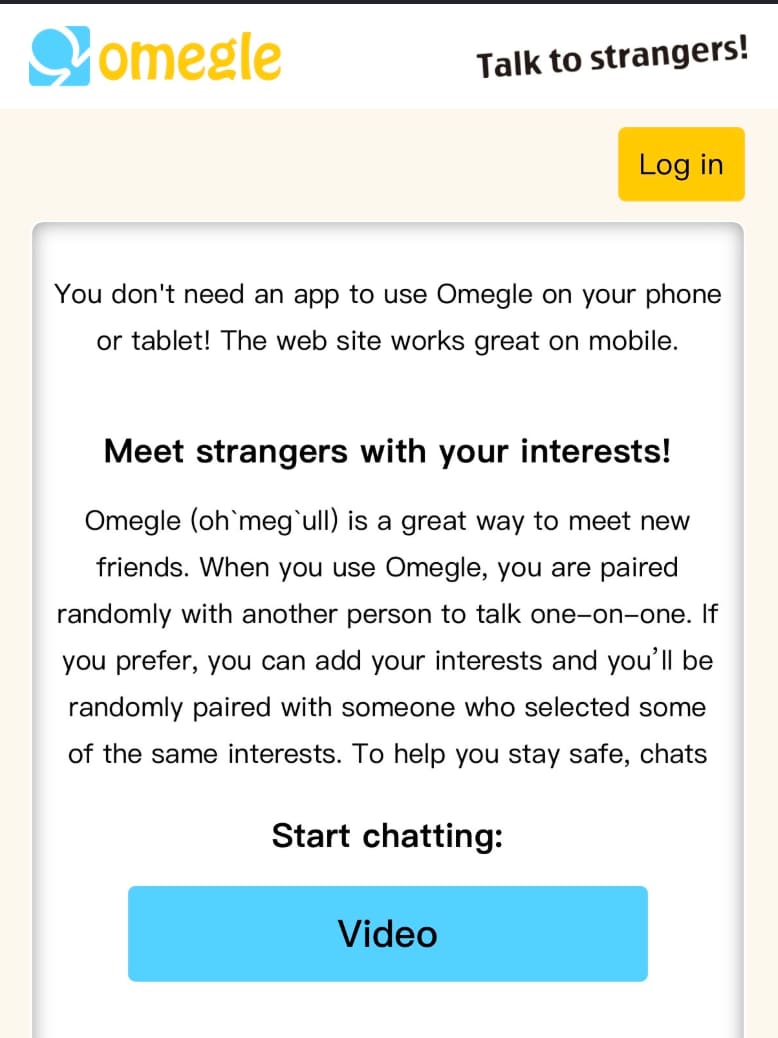
One reason video communication has become familiar is that many online platforms like Omegle Chat make starting a conversation remarkably simple.
Unlike random stranger-matching services, restaurants need to direct inquiries to appropriate employees and ensure that customers understand when assistance is available.
Using Customer Data Without Losing Personal Trust
For example, booking records may reveal which evenings attract larger groups, while ordering information can identify frequently purchased dishes. This allows managers to make informed decisions about staffing, ingredients, and promotional offers.
Customers should understand what personal details are being requested, why they’re needed, and how they will be protected. A restaurant doesn’t need extensive personal information simply to display its menu.
Businesses should also avoid overwhelming customers with promotional messages. An occasional relevant update may be appreciated, but constant notifications can make people regret sharing their contact information.
Making Digital Communication Feel Human
Consider a customer contacting a restaurant about a food allergy. An automated response might provide basic ingredient information, but a trained employee may still need to confirm preparation methods and possible cross-contact.
Restaurants can improve these experiences by training employees to communicate clearly through messaging and video calls. Friendly responses, realistic expectations, and accurate information matter more than using the latest software.
Customers should never feel that technology has made it harder to reach someone who can actually help.
The Next Step for Restaurant Communication
Online menus can simplify everyday ordering, reservation systems can reduce uncertainty, and video consultations can help people plan events without unnecessary travel.
Yet introducing every available feature isn’t the goal. A small café may benefit more from accurate online menus and responsive messaging than from a sophisticated video support system. A restaurant specializing in private events, meanwhile, may find virtual consultations particularly valuable.
Restaurant hospitality has always involved helping people feel welcomed, informed, and comfortable. Digital tools simply create additional opportunities to offer that experience before customers walk through the door.