
Most cat owners have watched their cat ignore a bowl of fresh water for hours, then perk up the moment a tap starts dripping. That preference is not random pickiness. Cats evolved in dry environments where still water collects dust and bacteria quickly, while movement signals freshness. A moving-water fountain works with that instinct rather than against it, turning a static bowl into a stream that draws attention and invites repeated small sips throughout the day.
The change is rarely dramatic overnight, but over weeks it can shift drinking habits, litter box output, and how energetic your cat seems. This article looks at why running water appeals to cats, how to tell whether yours is under-hydrated, and what to consider when you bring a fountain home.
The Instinct Behind Moving Water
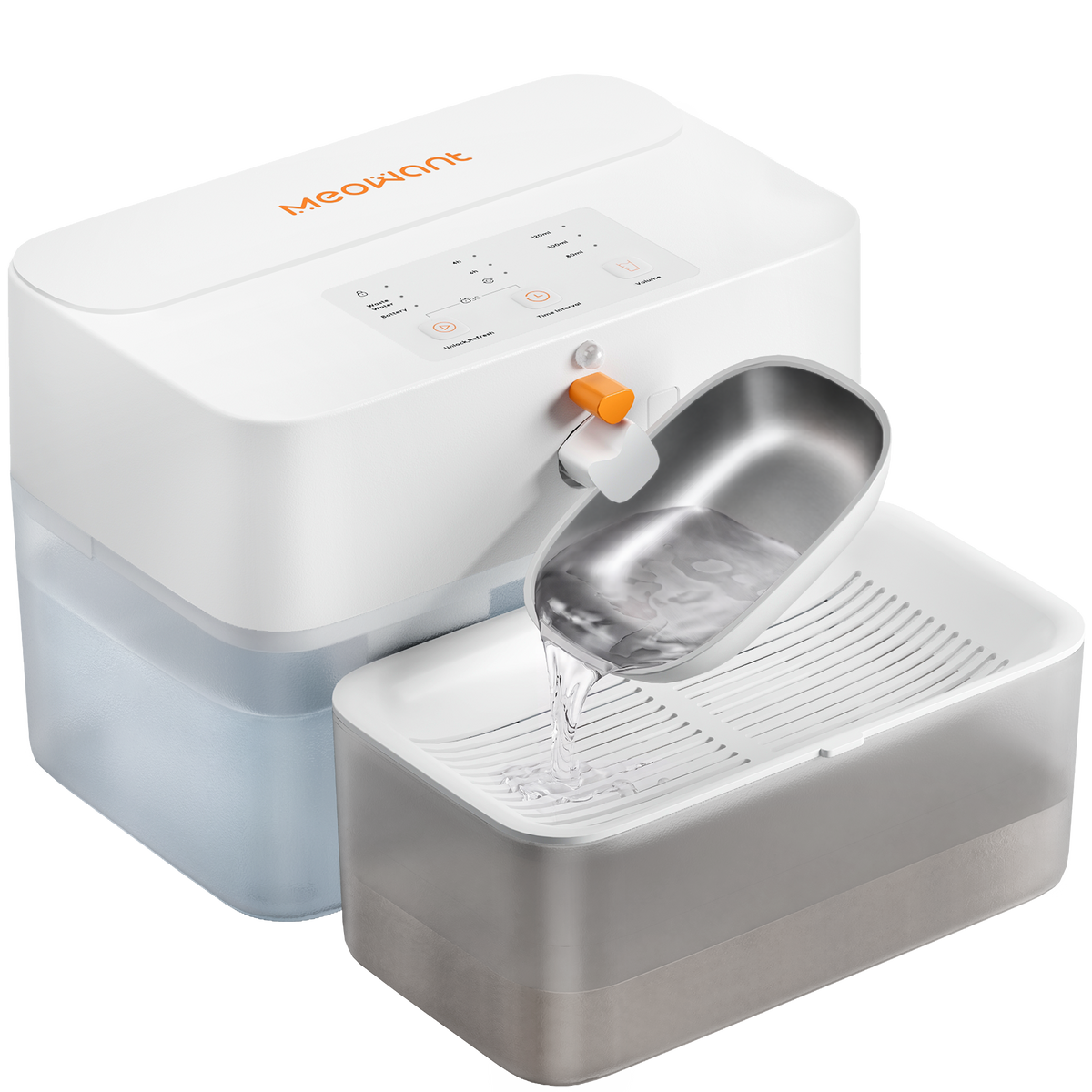
In the wild, a cat’s nose and ears do the work of a water quality test. Moving water carries oxygen, stays cooler, and discourages the film of bacteria that forms in standing bowls. Domestic cats inherit the same bias. When water ripples, the surface catches light and the sound travels, which is why a dripping faucet can pull a cat across the room. A pet water fountain reproduces that signal at floor level, where a cat actually wants to drink.
There is a practical side to the behavior as well. Cats are built to extract much of their moisture from prey, so their thirst drive is naturally weak. Many live on dry food, which leaves them relying on whatever they drink from a bowl. Small, frequent sips from a source that stays interesting add up more reliably than one long drink after a meal. Owners often notice the difference in the litter box first, with clumps that look fuller and urine volume that seems more normal.
Running water also solves a social problem. Many cats dislike drinking where the water smells of another animal or where the bowl sits beside food. A fountain keeps a small reservoir circulating, so the surface is constantly replaced and the smell stays neutral longer. That alone can persuade a cautious cat to approach a water source it previously avoided.
Temperature plays a part as well. Still water in a bowl drifts toward room temperature and, in a warm kitchen, can feel unappealingly flat. Circulating water stays a little cooler and keeps a faint sense of movement that reads as fresh. Cats cannot articulate this preference, but their behavior shows it: they walk past the bowl and sit by the sink, waiting for a drip.
Signs Your Cat Is Running Dry
Dehydration in cats is easy to miss because the early signs are behavioral rather than obvious. A cat that drinks too little may still eat normally, sleep normally, and greet you at the door. The clues tend to be cumulative, and they are worth watching for if your cat eats mostly dry food, lives in a warm home, or is getting older.
Subtle Clues in Coat and Energy
Skin that stays tented when gently pinched, a coat that feels rougher than usual, and gums that look tacky rather than slick are classic physical hints. So is a cat that seems flatter than normal during play or spends more time curled up away from family activity. None of these proves dehydration on its own, but a pattern of them is a reason to look more closely at how much your cat actually drinks.
The Litter Box Tell
Output is often the clearest evidence. Very small, hard urine clumps, or noticeably fewer clumps than usual, suggest your cat is not taking in enough water. Bright or strong-smelling urine is another prompt to pay attention. If these signs persist, a veterinary check matters more than any product change, since urinary issues in cats can escalate quickly.
Keep a loose mental baseline rather than a rigid chart. A cat that normally produces several clumps a day and suddenly produces one is worth watching, and so is a cat that drinks from the bowl in long, greedy sessions instead of short, casual visits. Sudden changes in either direction deserve attention, because they can signal a shift in health before any other symptom appears.
Older cats need extra care here. Their kidneys become less efficient with age, and their thirst drive does not always compensate. A senior cat that seems fine but drinks very little is a common pattern, and it is one where a more appealing water source can make a real difference. Ask your vet how much water your cat should be taking in, especially if it is on dry food or has a history of urinary problems.
How a Fountain Changes the Daily Routine
Once a fountain is in place, the most common change is frequency. Cats tend to visit a moving water source several times a day in short bursts, rather than waiting until thirst becomes urgent. That pattern is closer to how they would drink in nature and generally produces steadier intake. It also gives you a simple way to monitor habits, because you can hear or see visits without hovering.
Refilling becomes part of the household rhythm. A fountain with a visible water line makes it obvious when the reservoir is low, and most owners settle into a quick top-up each morning. That small ritual is also a chance to notice changes, such as a cat suddenly drinking far more than usual, which can be an early sign of illness rather than a sign of better hydration.
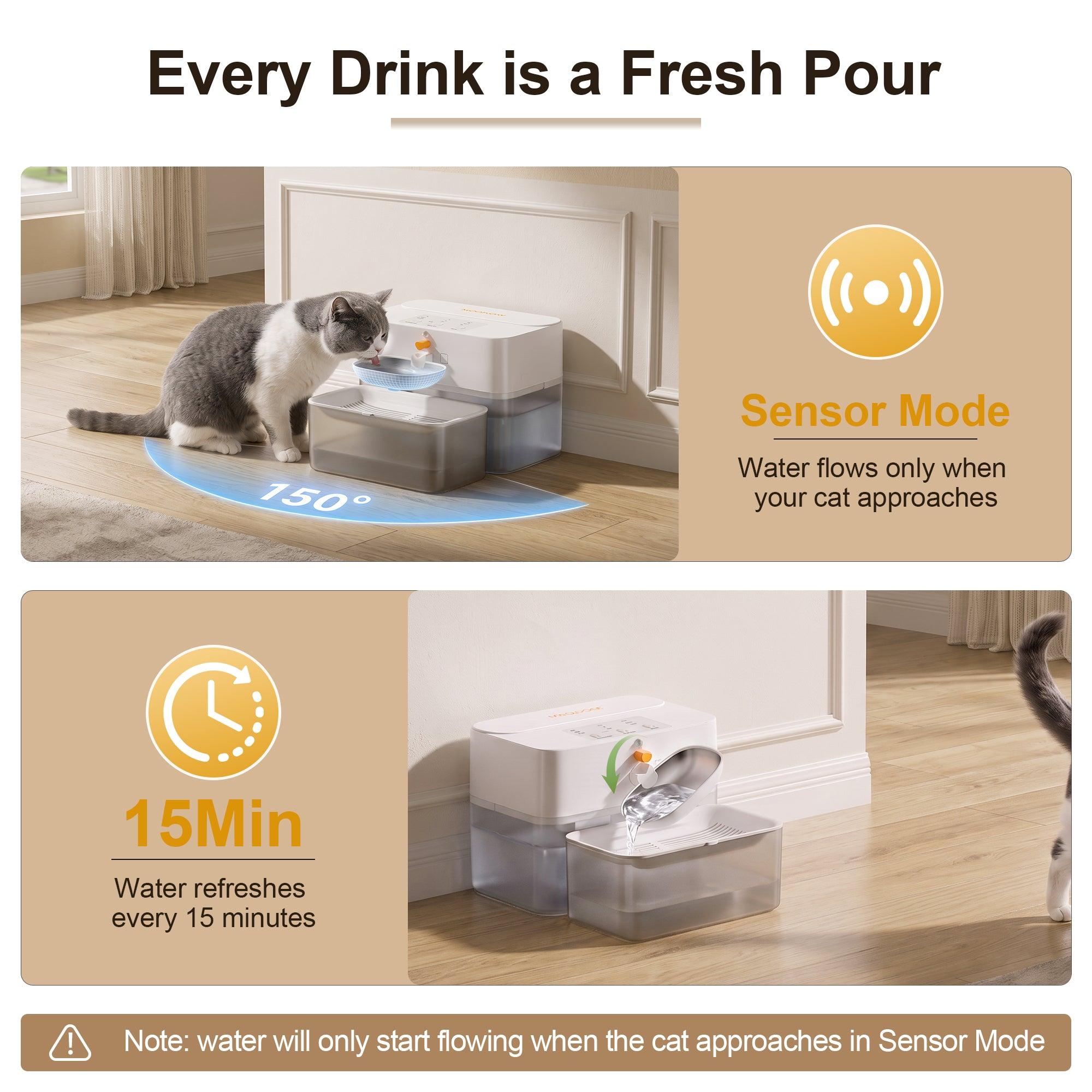
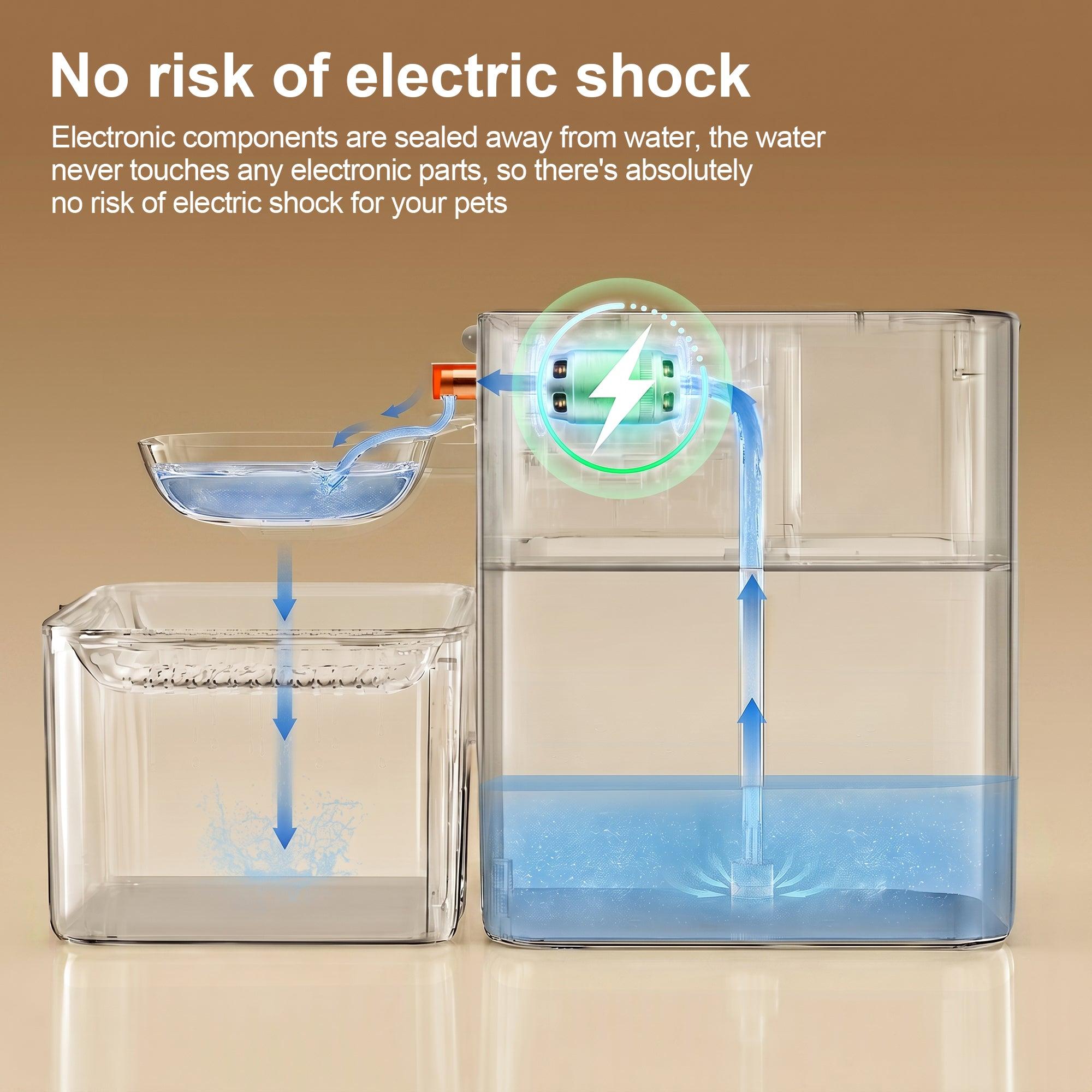
The design of the fountain matters more than marketing suggests. Wide drinking surfaces suit cats that dislike their whiskers touching the sides, and low flow settings help nervous cats approach without being startled. Meowant’s fountain collection, for example, focuses on quiet pumps and parts that lift out easily, which matters because a fountain only helps if it stays clean and running.
Multi-cat homes see a different benefit. A single bowl becomes a contested resource when several cats share a home, and a shy cat may simply skip drinking to avoid a confrontation. A fountain placed away from food and traffic gives every cat a neutral place to drink, which reduces the tension that can quietly limit water intake.
Choosing and Maintaining a Fountain
A fountain is a small appliance, and like any appliance it needs a realistic maintenance plan. The goal is not perfection but consistency: a routine that takes a few minutes and actually gets done. Before buying, think about how much effort you will honestly put in each week, because a neglected fountain is worse than a clean bowl.
Filters and Freshness
Carbon filters reduce odors and trap hair, but they only work while water passes through them. Most manufacturers recommend replacing filters on a set schedule, and the fountain should be rinsed whenever the water looks cloudy or smells off. Keep a spare filter on hand so a dirty one never becomes a reason to unplug the fountain for a week.
Placement Matters
Cats prefer water that is away from their food and away from heavy foot traffic. A quiet corner in a room the cat already uses works better than a busy hallway. Keep the fountain off carpet if possible, since splashes are normal, and leave a little space around it so a nervous cat does not feel cornered while drinking.
Finally, watch your cat’s response for the first two weeks. Some cats investigate immediately; others need a few days to accept the sound. If your cat continues to avoid the fountain, try a lower flow setting or move it before assuming the idea does not work.
It helps to think of the fountain as a long-term habit rather than a quick fix. The first week is about acceptance, the first month is about routine, and after that the fountain simply becomes part of the room. Owners who keep up with cleaning and filter changes usually find that the fountain lasts for years and quietly does its job, while those who let maintenance slide end up with a noisy, smelly appliance that gets unplugged. The difference is almost never the product; it is the small weekly habits around it.
Small Habits, Healthier Cats
Encouraging a cat to drink is less about persuasion than about removing the reasons it avoids water. Moving water signals freshness, a quiet pump removes fear, and a clean fountain keeps the source appealing. None of that guarantees a perfectly hydrated cat, but it tilts the odds in a useful direction, especially for cats on dry food or in warm climates.
The practical takeaway is simple. Watch your cat’s drinking and litter box habits, give it a water source that feels safe and interesting, and keep that source clean. If you notice persistent changes, treat them as a reason to call your vet rather than to buy another product. A fountain is a tool for better habits, and like any tool, it works best when it is matched to the animal using it.