
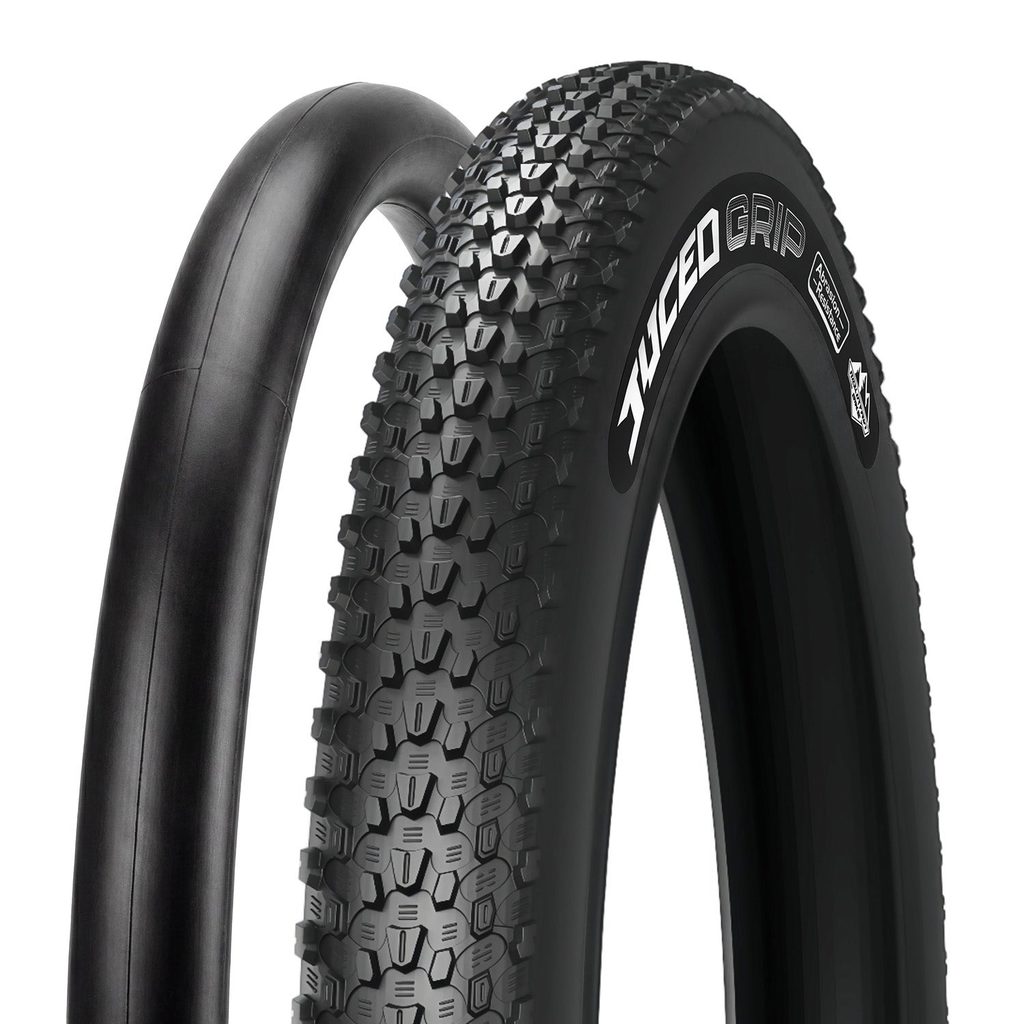
Most tire disappointments trace back to a handful of avoidable mistakes made before the purchase ever happens. Riders pick a tread pattern because it looks aggressive in a product photo, ignore rim width compatibility, or run pressure numbers copied from a friend with a completely different riding style and body weight. None of these mistakes are hard to fix once you know to look for them.
This guide walks through the errors that show up most often, whether you’re buying your first upgrade or replacing a worn set for the third time. Catching these issues before checkout saves both money and the frustration of riding on a tire that never quite matches your trails.
Mistake One: Choosing Tread Based on Looks Alone
An aggressive-looking tread with tall, widely spaced knobs photographs well, but it isn’t automatically the best choice for every trail. Riders who ride primarily hardpack or groomed trails often end up with excess rolling resistance and knob squirm from a tread designed for loose, muddy conditions they rarely encounter.
The fix is straightforward: match tread pattern to your dominant trail surface rather than visual appeal. If you’re genuinely unsure, a moderate all-round tread pattern performs adequately across a wider range of conditions than a highly specialized one performs outside its intended use.
Mistake Two: Ignoring Rim Width Compatibility
Mounting a wide tire on a narrow rim distorts its intended profile, making the tire feel rounder and less stable through corners than the manufacturer designed it to be. Mounting a narrow tire on a wide rim flattens the profile and can reduce sidewall support. Checking your rim’s internal width against the tire manufacturer’s recommended range takes only a couple of minutes and prevents this mismatch entirely.
Mistake Three: Copying Someone Else’s Pressure Settings
Tire pressure depends on rider weight, terrain roughness, and casing construction, which means a number that works well for a riding partner may leave you either bouncing off rocks or risking pinch flats. Starting from a general guideline based on your weight and adjusting from there in small increments produces far more useful results than borrowing a fixed number.
Keep a small notebook or phone note tracking pressure changes and how each one felt on a specific trail. Over a few rides, this record becomes a personalized reference far more accurate than any generic chart.
Mistake Four: Waiting Too Long to Replace Worn Tires
Tread wear happens gradually, which makes it easy to keep riding on a tire well past the point where it still provides reliable grip. Rounded knobs, visible casing threads, or a noticeable increase in slipping on familiar corners are all signs that replacement is overdue, not optional.
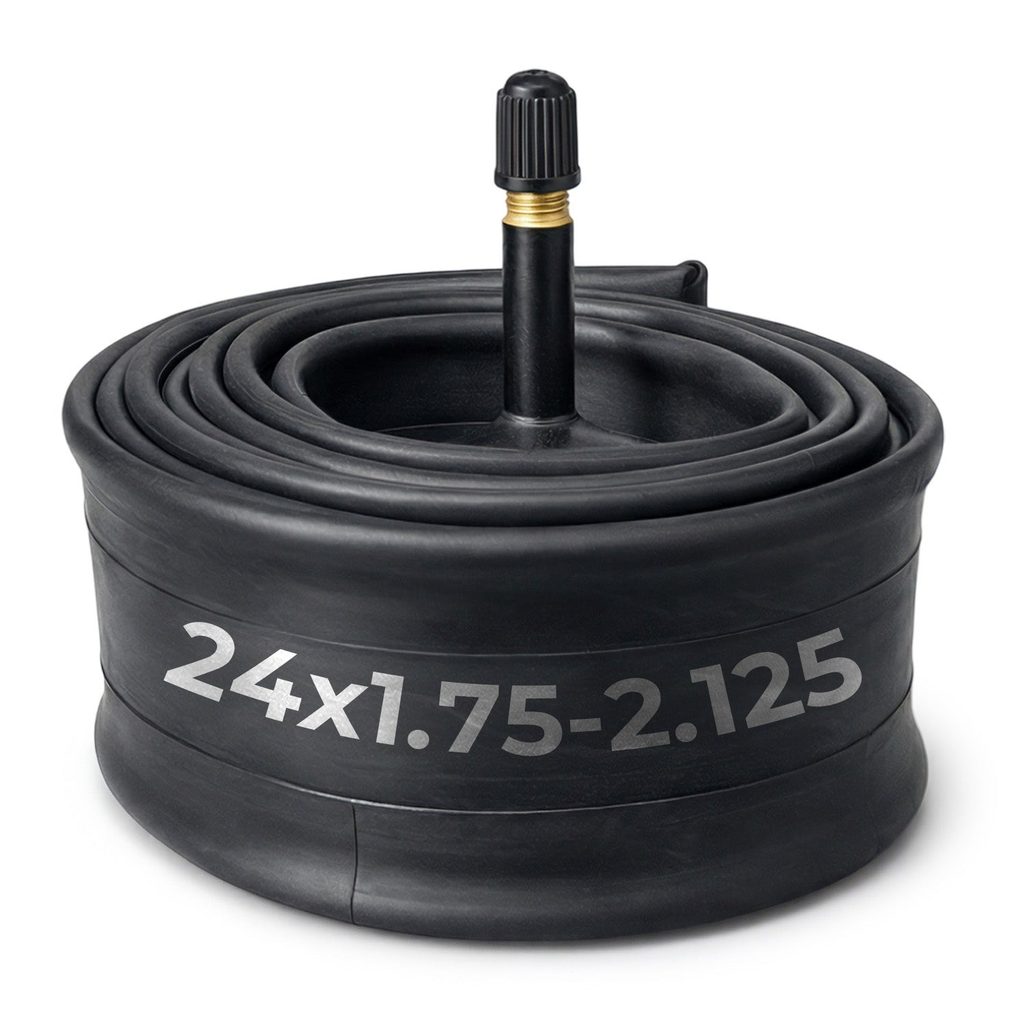
Setting a simple visual check every month, comparing current knob height against a photo taken when the tire was new, makes this decision far less subjective and helps avoid riding on compromised traction without realizing it.
Mistake Five: Overlooking Casing Strength for Your Terrain
A lightweight, thin casing shaves grams and rolls slightly faster, but on sharp, rocky trails it’s also more prone to cuts and punctures. Riders drawn to the weight savings sometimes end up patching flats more often than the time saved on climbs is worth. A reinforced casing option from a mountain bike tire lineup built for rougher terrain often proves more practical for anyone riding technical, rock-strewn trails regularly.
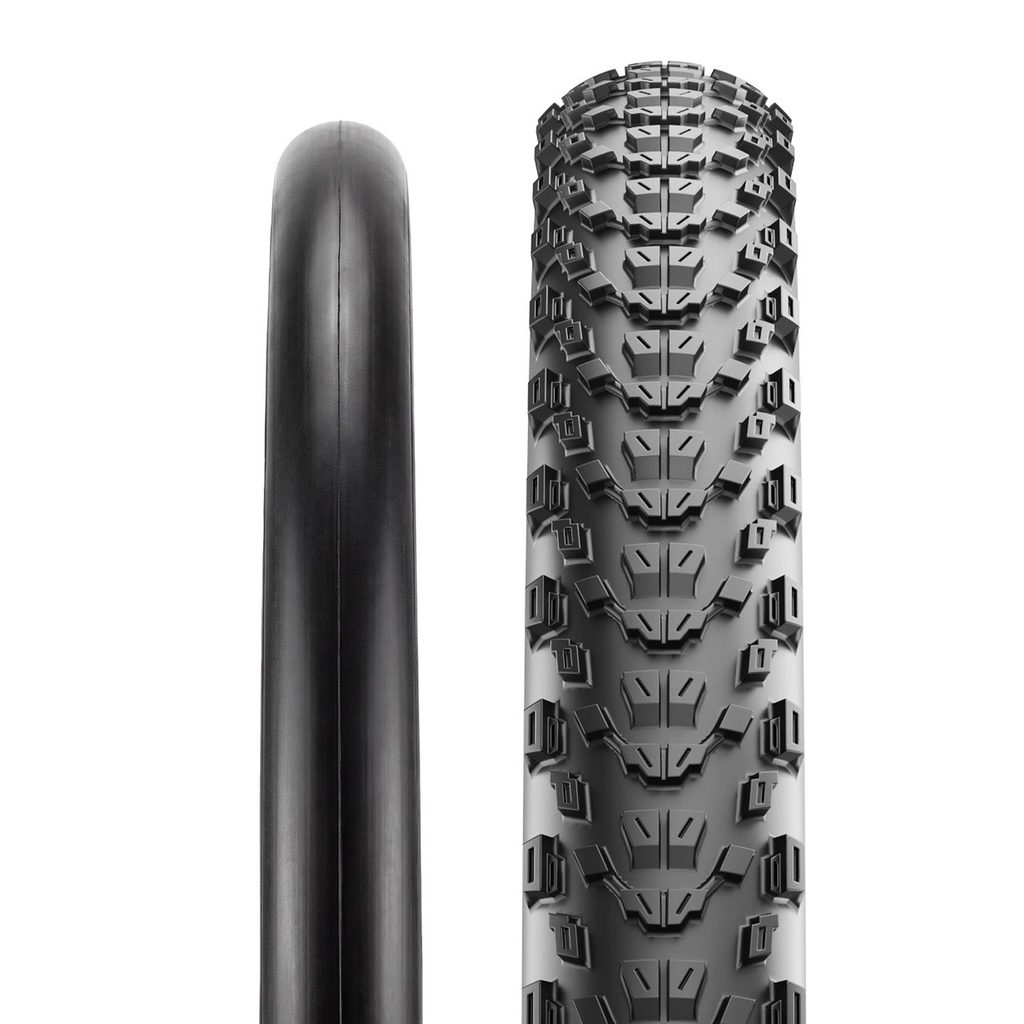
Juceo offers casing options across different protection levels, which makes it easier to weigh the trade-off between weight and durability based on your actual trail conditions rather than a one-size-fits-all default.
Making Smarter Tire Decisions Going Forward
Most tire regrets come from skipping a small check that would have taken minutes, whether that’s confirming rim compatibility, testing pressure incrementally, or watching wear more closely. None of these fixes require expert knowledge, just a bit more attention before and after the purchase.
Next time you’re shopping for a replacement, work through these five points before deciding. The habit takes little extra time but consistently leads to tires that actually match how and where you ride.