
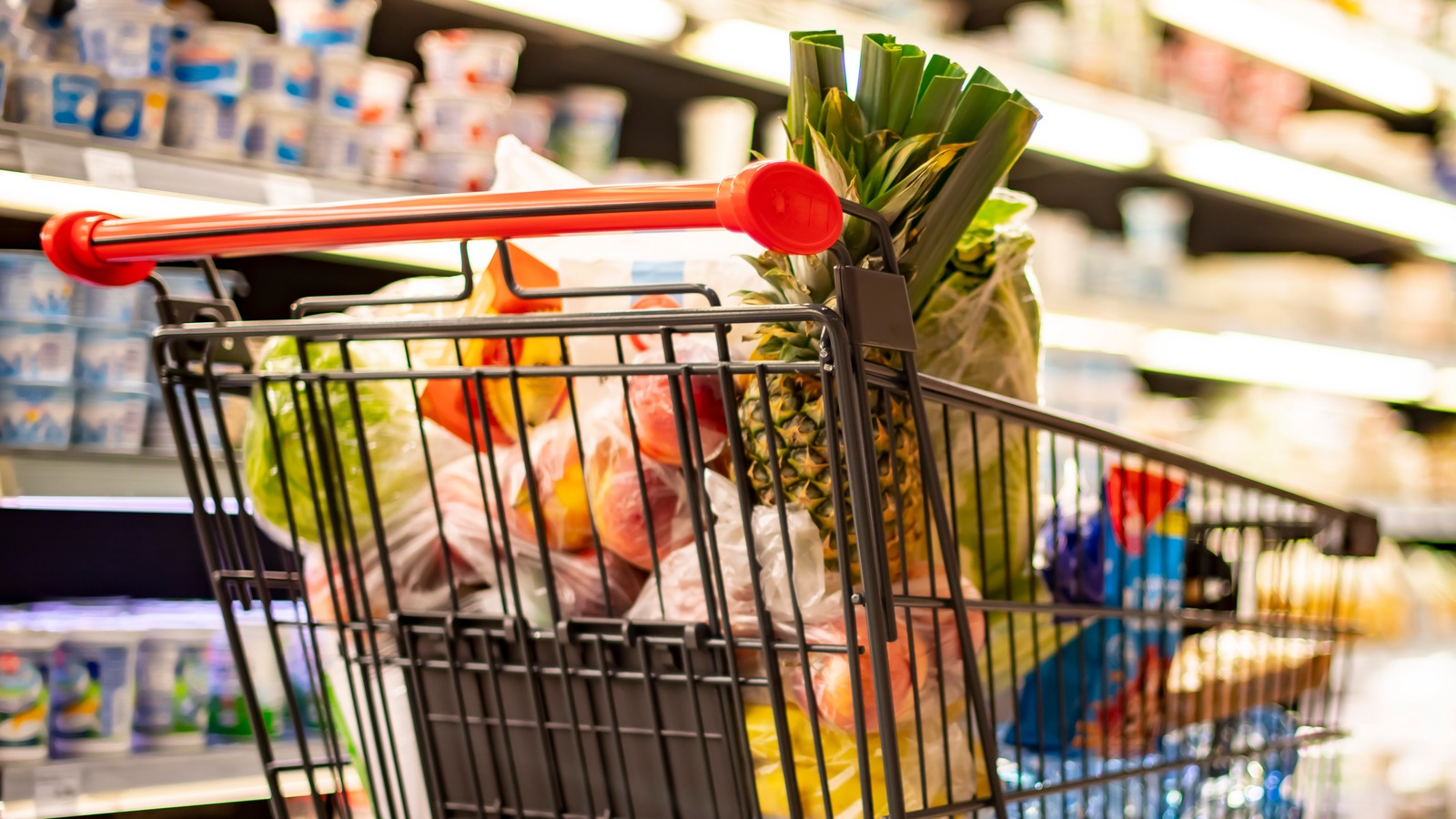
Walk into a grocery store in Paris, Rome, Madrid, or Berlin and you may immediately notice how different the shelves look. Although European countries share many ingredients and culinary traditions, grocery shopping habits can vary considerably from one country to another.
A typical European supermarket like EuropaFoodXB reflects the food culture of the country in which it operates. Local eating habits influence everything from the size of the bakery section to the selection of dairy products, cured meats, ready meals, snacks, and beverages.
Understanding these differences offers an interesting insight into everyday life across Europe. It also explains why certain products that are considered basic staples in one country may be treated as specialty imports somewhere else.
Why Grocery Shopping Differs Across Europe
Europe has a relatively small geographic area compared with some continents, yet it contains a remarkable variety of food traditions.
Several factors shape what shoppers find in supermarkets.
Climate is one of the most important. Mediterranean countries such as Spain and Italy have long culinary traditions built around olive oil, tomatoes, fresh vegetables, seafood, and herbs. Northern European countries are more strongly associated with dairy products, potatoes, bread, preserved foods, and meat.
Agriculture also plays a role. Local cheese, meat, fruit, vegetables, and grains often occupy significant shelf space in the countries where they are produced.
Cultural preferences are equally important. Food is closely connected to national and regional identity, which means shoppers often expect supermarkets to stock ingredients associated with traditional meals.
Meal structure also varies. In some countries, lunch remains the main meal of the day, while elsewhere dinner may be more substantial. These habits influence demand for prepared foods, bakery products, snacks, and cooking ingredients.
What You Can Expect in a European Supermarket
Despite national differences, many supermarkets across Europe share a few characteristics.
Fresh bread tends to be particularly important. Many stores have dedicated bakery areas offering baguettes, rolls, sourdough loaves, rye bread, pastries, or regional specialties.
Cheese and dairy sections can also be extensive. Rather than offering only a handful of varieties, larger supermarkets may stock dozens or even hundreds of regional cheeses.
Another noticeable feature is the importance of local brands. While international food companies operate throughout Europe, national and regional brands often remain highly competitive.
Imported products are common as well. British biscuits, Belgian chocolate, Italian pasta, French sauces, German sweets, and Spanish cured meats can increasingly be found outside their countries of origin.
However, the balance between local and imported food varies significantly depending on the market.
Grocery Shopping in France
French grocery stores strongly reflect the country’s reputation for bread, cheese, dairy products, and regional cuisine.
The bakery section is often one of the busiest parts of a supermarket. Baguettes, pain de campagne, brioche, croissants, and other baked goods are common everyday purchases.
Cheese is another major category. Supermarkets often separate cheeses by type, milk source, or region. Camembert, Brie, Comté, Roquefort, chèvre, and many other varieties may be available even in ordinary neighborhood stores.
French shoppers also have access to a particularly wide range of yogurts and dairy desserts. Products such as fromage blanc, crème caramel, chocolate mousse, rice pudding, and custard-style desserts are common.
Prepared foods often retain a distinctly French character. Quiches, pâtés, terrines, gratins, and ready-made dishes inspired by traditional recipes can appear alongside more international convenience foods.
Another characteristic of French grocery shopping is the importance of regional identity. Products from Brittany, Normandy, Provence, Alsace, or the Basque Country are often clearly labelled and marketed around their place of origin.
Grocery Shopping in Italy
Italian supermarkets are heavily influenced by regional cooking traditions.
Pasta aisles are naturally important, but the variety goes far beyond spaghetti and penne. Shoppers may find numerous shapes designed for specific sauces and dishes, including orecchiette, paccheri, trofie, pappardelle, and regional filled pasta.
Tomato products are equally diverse. Whole peeled tomatoes, passata, chopped tomatoes, concentrated tomato paste, and prepared sauces often occupy significant shelf space.
Olive oil is another major category. Rather than being treated as a single cooking product, supermarkets may offer oils from different regions, producers, olive varieties, and quality levels.
Cheese selections typically include familiar names such as Parmigiano Reggiano, Grana Padano, mozzarella, gorgonzola, ricotta, and pecorino, along with many local varieties.
Italian grocery culture also places considerable emphasis on ingredients rather than highly processed meal solutions. Even convenience products are often closely connected to familiar dishes, such as fresh pasta, pizza bases, sauces, antipasti, and ready-to-bake foods.
Grocery Shopping in Spain
Spanish supermarkets reflect a cuisine built around olive oil, cured meats, seafood, legumes, rice, vegetables, and shared dishes.
One of the most distinctive sections is often the charcuterie counter. Jamón serrano, jamón ibérico, chorizo, salchichón, lomo, and other cured meats are common supermarket staples.
Olive oil is another major category, with multiple options for cooking, frying, dressing, and finishing dishes.
Seafood also plays a prominent role. Fresh fish counters are common in larger stores, while canned seafood occupies considerably more shelf space than many visitors from other countries might expect. Tuna, sardines, mussels, octopus, anchovies, and cockles are widely available.
Legumes such as chickpeas, lentils, and beans remain important pantry staples, both dried and pre-cooked.
Spain also has a strong culture of small plates and informal sharing. Supermarkets therefore frequently stock olives, cheeses, sliced meats, preserved seafood, tortilla española, croquetas, and other products suitable for tapas-style meals.
Regional variation is especially important. Grocery habits in Catalonia, Galicia, Andalusia, the Basque Country, and Valencia can differ substantially.
Grocery Shopping in Germany
German grocery culture is particularly well known for bread, sausages, dairy products, preserves, and a strong discount supermarket sector.
Bread is remarkably diverse. Rye bread, mixed-grain loaves, wholegrain bread, pretzels, rolls, and seeded varieties are widely available.
Cold cuts and sausages also occupy significant space. Supermarket meat counters may offer numerous types of ham, salami, cooked meats, and regional sausages.
Dairy products are another important category. Yogurts, quark, cream cheese, butter, and milk-based desserts are common everyday purchases.
Germany is also strongly associated with discount grocery chains. This has helped create a shopping culture in which consumers often expect competitive prices without necessarily sacrificing product quality.
At the same time, organic food has become highly visible in mainstream retail. Organic versions of dairy products, grains, vegetables, snacks, drinks, and packaged foods can be found across many supermarket formats.
How British Grocery Shopping Compares
British supermarkets differ from many continental European stores in several noticeable ways.
One is the strength of the convenience food category. Ready meals, prepared sandwiches, meal deals, pre-cut ingredients, and quick cooking solutions are especially prominent in the UK.
International cuisine is also highly visible. British supermarkets commonly dedicate significant shelf space to Indian, Chinese, Mexican, Mediterranean, and other global foods.
Breakfast products are another distinctive category. Cereals, porridge, baked beans, sausages, bacon, spreads, and toast products play a stronger role than they do in many Mediterranean markets.
Snack and confectionery aisles also reflect strong British traditions, with large selections of crisps, biscuits, chocolates, sweets, and snack bars.
At the same time, demand for continental European foods has grown considerably. French cheeses, Italian pasta, Spanish cured meats, Belgian chocolate, German biscuits, and other imported products have become increasingly familiar to British consumers.
Why Imported European Foods Are Becoming More Popular
Food preferences have become more international for several reasons.
Travel has exposed consumers to dishes and ingredients they may not previously have encountered at home. Someone who discovers a particular cheese, sparkling water, biscuit, sauce, or snack while travelling may later look for the same product in their local market.
Migration has also contributed to demand for imported foods. European communities living abroad often continue buying familiar products from their home countries.
Restaurants have an influence as well. Dishes introduced through restaurants often create demand for the ingredients needed to recreate them at home.
Social media and online recipes have accelerated this process. A recipe featuring an unfamiliar French biscuit or Italian cheese can quickly generate interest among consumers far outside the product’s original market.
Online grocery stores have further reduced geographic barriers by making specialist products easier to find.
Regional Products Remain Important
Despite the increasing internationalisation of grocery shopping, local identity remains extremely important across Europe.
French shoppers still buy French cheeses. Italians remain loyal to regional pasta, sauces, and cured meats. Spanish consumers continue purchasing local olive oils and charcuterie. German shoppers maintain strong preferences for familiar bread and dairy products.
In many cases, regional food traditions exist alongside global brands rather than being replaced by them.
This combination of local and international influences is one of the defining characteristics of European grocery retail.
A supermarket may stock globally recognised soft drinks and breakfast cereals while offering dozens of cheeses, breads, sauces, or cured meats that are rarely found outside the region.
How Shopping Habits Vary by Country
The products themselves are only part of the story. Europeans also differ in how they shop.
In large cities, smaller neighborhood supermarkets are often popular because people shop more frequently and purchase smaller quantities.
In suburban areas, larger supermarkets and hypermarkets allow shoppers to buy groceries for several days or an entire week.
Traditional markets also remain important in many countries, particularly for fruit, vegetables, seafood, meat, and cheese.
Some consumers combine several types of shopping. They may buy basic groceries from a supermarket, bread from a bakery, meat from a butcher, and fresh produce from a local market.
This pattern is especially common in areas where independent food shops remain part of everyday neighborhood life.
What European Grocery Culture Tells Us About Food
Grocery stores offer a surprisingly detailed picture of how people eat.
The amount of shelf space devoted to an ingredient usually reflects its importance in local cooking. Large olive oil sections reveal Mediterranean cooking habits, while extensive bread displays reflect cultures where bread remains central to everyday meals.
Supermarkets also show how food traditions evolve.
Consumers increasingly experiment with international ingredients while maintaining strong attachments to familiar regional products.
As a result, grocery shopping across Europe is becoming both more diverse and more connected.
Frequently Asked Questions
What foods are commonly found in European supermarkets?
Most European supermarkets sell fresh produce, bread, dairy products, meat, pantry staples, snacks, beverages, and prepared foods. However, the exact selection varies greatly by country and region.
Why do supermarkets vary so much between European countries?
Differences are influenced by local cuisine, agriculture, climate, cultural preferences, meal habits, and regional food traditions.
Are European grocery products widely available in the UK?
Many European foods are widely available through mainstream supermarkets, specialist food shops, and online retailers. Availability varies depending on the brand and product category.
Which European countries have the strongest regional food traditions?
Regional food traditions are important throughout Europe, but they are particularly visible in countries such as France, Italy, Spain, and Germany, where local cheeses, meats, breads, sauces, and other specialties remain part of everyday grocery shopping.
Is grocery shopping becoming more similar across Europe?
To some extent. International brands and global food trends are now widely available, but local and regional products continue to play an important role. European grocery shopping therefore combines increasing international choice with strong national food traditions.
Final Thoughts
Grocery shopping may seem like an ordinary part of daily life, but it reveals a great deal about a country’s culture.
France’s extensive cheese and dairy selections, Italy’s pasta and olive oil varieties, Spain’s cured meats and seafood, and Germany’s bread and cold cuts all reflect culinary traditions developed over generations.
At the same time, modern supermarkets are becoming increasingly international. Consumers can discover foods from neighboring countries without leaving home, while specialist retailers and online shopping make regional products more accessible than ever.
The result is a grocery culture that remains distinctly local while becoming increasingly connected across Europe.