
The way you extract juice determines everything about what ends up in your glass. While speed might seem convenient, it often comes at the cost of nutrition, flavor, and shelf life. More people are discovering that slower extraction methods preserve what matters most in fresh produce.
The mechanics behind juice extraction affect enzyme activity, oxidation rates, and nutrient retention. Understanding these differences helps you make choices that align with your health goals and daily routine. Whether you’re juicing leafy greens or harder vegetables, the extraction method shapes the final product in ways that aren’t immediately obvious.
Understanding the Slow Extraction Process
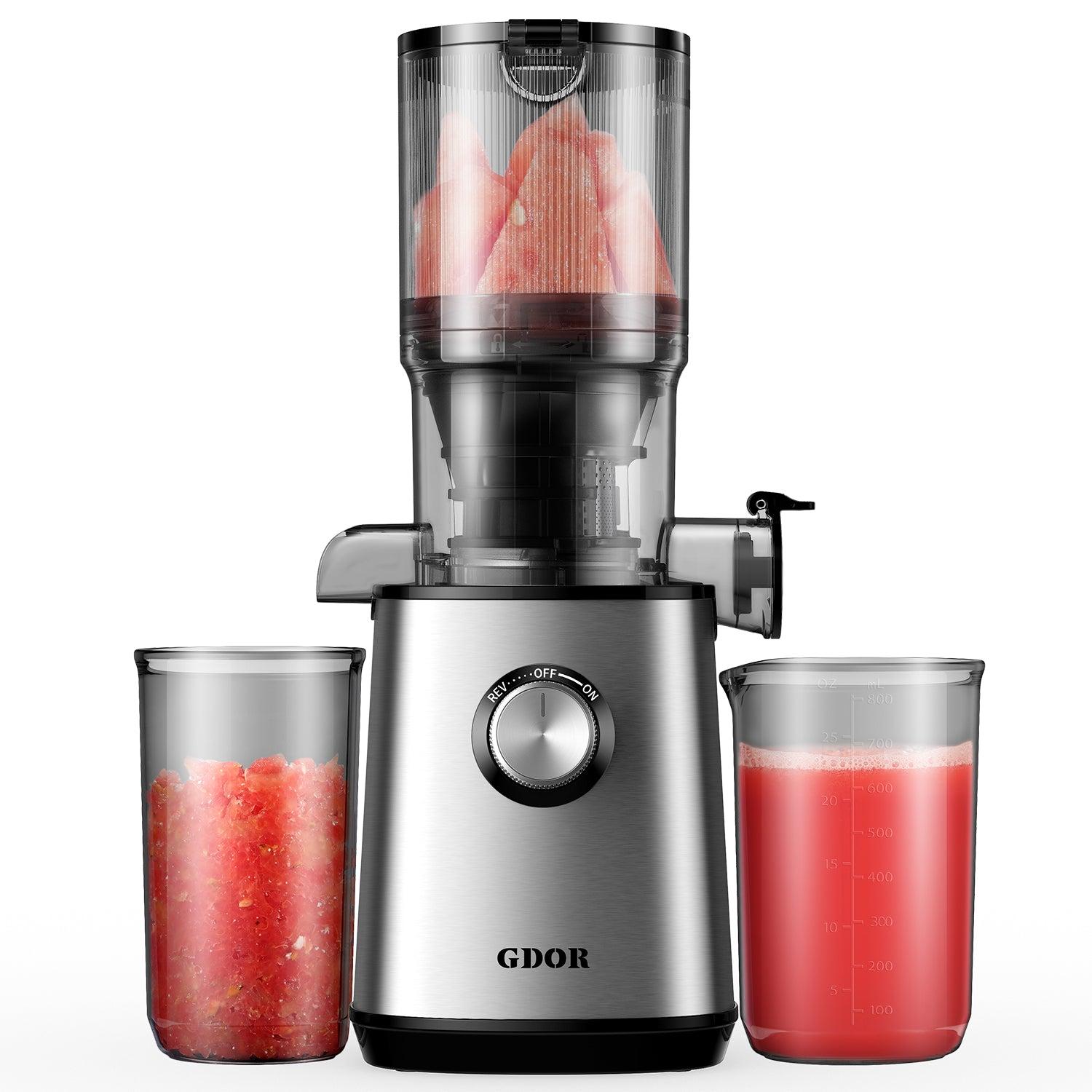
Slow extraction works by crushing and pressing produce through a narrow chamber, typically using an auger that rotates at low speeds. This mechanical approach mimics hand-squeezing, applying steady pressure without generating heat or introducing excessive air. The auger breaks down cell walls gradually, releasing juice while keeping pulp separate.

The slow rotation speed, usually between 40 and 80 RPM, prevents the oxidation that occurs when produce is processed quickly. Less oxidation means enzymes remain active longer, and vitamins don’t degrade as rapidly. This preservation extends beyond the juicing process itself—properly extracted juice can maintain quality in the refrigerator for up to 72 hours.
The physical structure of juice also differs with slow extraction. Without high-speed blades chopping and aerating, you get less foam and separation. The consistency stays smoother, and flavors remain more concentrated because water content isn’t diluted through excessive processing.
What You Gain From Better Extraction
Nutrient preservation stands out as the primary benefit of slow extraction. Heat-sensitive vitamins like vitamin C and certain B vitamins break down when exposed to friction and temperature increases. Slow methods keep temperatures low, protecting these compounds. Studies on juice processing show that slow-extracted juice retains higher levels of antioxidants and phytonutrients compared to rapidly processed alternatives.
Yield also improves with slower processing. Because the extraction method thoroughly breaks down produce, you get more juice from the same amount of ingredients. This efficiency matters especially when working with expensive organic produce or nutrient-dense greens that you want to maximize.
The versatility of masticating juicer models extends beyond basic fruits and vegetables. These machines handle wheatgrass, leafy greens like kale and spinach, and even herbs that would clog or pass through other juicers. Some models process nuts into butter or create frozen desserts from fruit, adding functionality that justifies counter space.
Practical Considerations for Daily Use
The slower processing speed requires a different approach to juicing. You’ll spend more time feeding produce through the machine compared to high-speed alternatives. For people juicing large quantities daily, this time investment matters. However, the trade-off comes in reduced prep work—many slow juicers handle larger pieces without requiring everything to be chopped into small chunks first.
Cleanup takes attention because the auger and screen accumulate pulp that needs thorough rinsing. Most models include brushes designed for the screen’s mesh, which helps remove fiber stuck in small openings. Some users find that rinsing parts immediately after juicing prevents dried pulp from hardening, making the process faster.
Noise levels tend to be lower with slow extraction. The motor doesn’t need to spin at high speeds, so operation stays relatively quiet. This makes morning juicing more feasible without disturbing others in the household. Brands like SHARDOR design their machines with noise reduction in mind, using materials that dampen vibration.
The initial cost typically runs higher than centrifugal models, but long-term value depends on usage patterns. If you juice daily and prioritize nutrient quality, the investment pays off through better yield and longer-lasting juice. For occasional users, the benefits might not outweigh the price difference.
Choosing What Works for Your Kitchen
Horizontal versus vertical design affects both functionality and footprint. Horizontal models excel with leafy greens and wheatgrass, using gravity and auger design to process fibrous materials efficiently. They often include more attachments for making nut butters or pasta. Vertical designs take up less counter space and typically feature slightly faster processing, though they may struggle with very fibrous greens.
Single versus twin-gear systems represent another decision point. Single-gear models use one auger and work well for most home juicing needs. Twin-gear machines apply more pressure, potentially extracting more juice and preserving marginally more nutrients, but they cost significantly more and require more complex cleaning.
Motor strength influences how well the machine handles hard vegetables like carrots and beets. Look for motors rated at least 150 watts for consistent performance with varied produce. Higher wattage doesn’t necessarily mean better juice quality, but it does indicate the machine won’t strain or overheat during extended use.
The feed chute size determines how much prep work you’ll do. Wider chutes accept larger pieces, saving cutting time. However, very wide chutes sometimes reduce the pressure applied to produce, slightly decreasing yield. Finding the balance depends on whether you prioritize convenience or maximum extraction.
Making the Switch Work
Transitioning to slow extraction requires adjusting your juicing routine, but the nutritional benefits and improved taste make the adaptation worthwhile. The key lies in understanding what you’re gaining—longer-lasting juice, better nutrient retention, and the ability to process ingredients that other methods can’t handle.
Start by identifying which features matter most for your specific needs. Consider the produce you juice regularly, how much counter space you can dedicate, and whether multi-functionality adds value. The right choice depends on your priorities, not just specifications or price. Once you experience the difference in juice quality, the slightly slower pace becomes part of a more intentional approach to nutrition.