
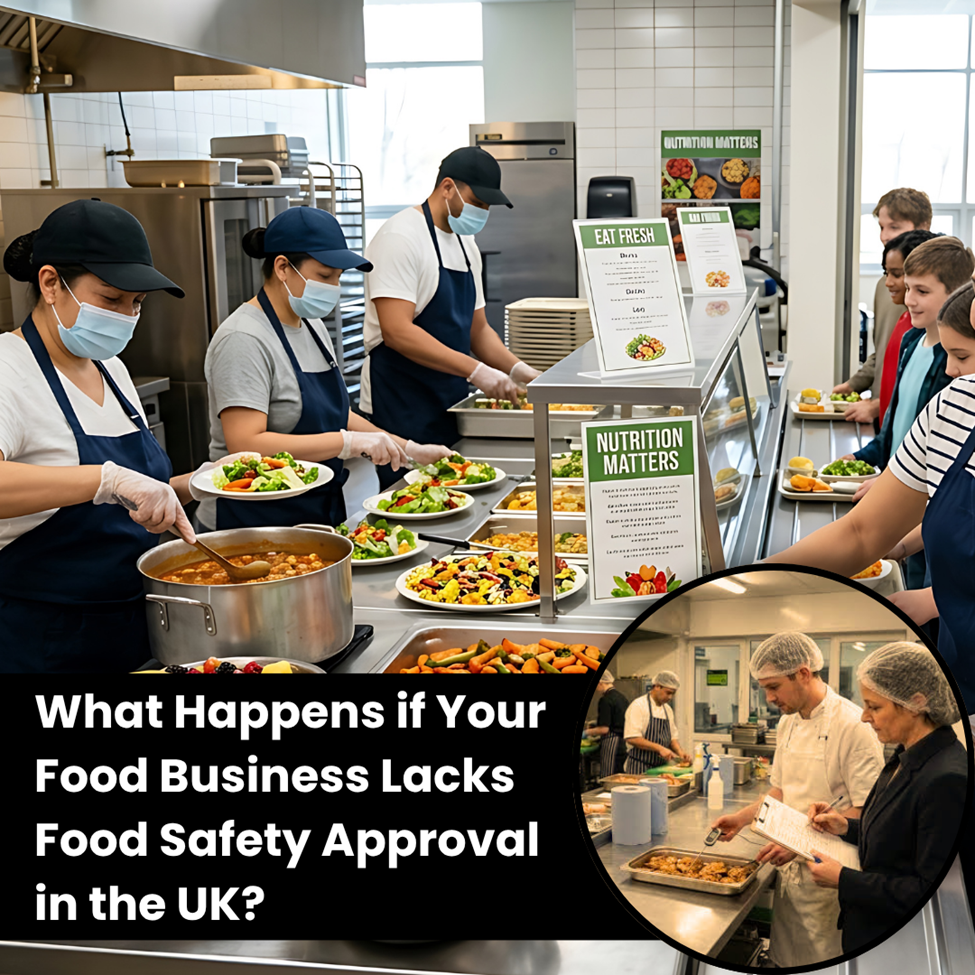
You’ve signed the lease, bought the fryers and printed the menus. Then someone mentions food safety licence registration, and you feel a sudden wave of worry. Did you ever sort it? Missing food safety approval in the UK is more common than most owners admit, and it’s rarely the end of the road. But it can cause real trouble if you ignore it. This article explains what councils can do, what’s likely to happen and how to fix the problem. We also cover when talking to one of the solicitors in Peterborough is worth the money.
What Is Food Safety Approval, and Does Your Business Need It?
People use “approval” and “registration” as if they mean the same thing. They don’t. Mixing them up is one of the most common mistakes new owners make, and it can leave a business exposed without anyone realising.
Registration tells your council you exist. Approval is a formal sign-off, given before trading, for certain higher-risk food operations.
Nearly every food business must register with its local authority at least 28 days before it opens. Registration is free. The council can’t refuse it, but it will inspect you afterwards.
Food safety approval in the UK is a formal sign-off from your local authority or the Food Standards Agency for some meat premises. It applies to higher-risk businesses handling animal products like meat, fish, eggs or dairy and supplying other businesses. You must be approved before trading. It’s different from registration, which is free and covers nearly all food businesses. Think meat cutting plants, dairies and some wholesalers. You can’t start trading until you’ve been approved. In many cases the council handles this, though the Food Standards Agency (FSA) deals with some meat premises.
Which Food Businesses Must Meet These Requirements?
The registration rule is broad. It covers:
- Restaurants, cafés, takeaways and pubs serving food
- Home bakers, cake makers and online food sellers
- Market stalls, food vans and temporary caterers
- Manufacturers, processors and many wholesalers
Selling from a kitchen table doesn’t exempt you. Regular, organised food handling usually counts, even if it feels small to you.
What If You’ve Already Started Trading Without Registering?
Register straight away. Don’t wait for the council to find you.
Registration won’t wipe the slate clean, mind you. It doesn’t cover earlier breaches, and it doesn’t replace approval if you needed that. But a business that comes forward voluntarily usually looks very different to an officer than one that’s been hiding.
What Can Happen if Your Food Business Operates Without the Right Approval?
It depends. Councils don’t treat every missing form the same way. They look at what kind of breach it is, how much risk it creates for customers and how you react once it’s spotted. Two businesses can make the same mistake and end up with very different outcomes, mostly because of what they did next.
Where you trade matters too. Rules and enforcement bodies vary a little across England, Wales, Scotland and Northern Ireland, and Food Standards Scotland leads in Scotland. If you’re wondering what happens if a food business lacks approval, the sections below walk through the realistic outcomes, from a friendly phone call to a court summons. Not every business will face every one of them. Knowing the full range simply helps you judge how urgent your own situation is.
You Could Face Council Enforcement Action
Environmental health officers (EHOs) work for your local council, and they have wide powers. They can visit your premises, ask questions, check your records and take food samples. If you weren’t expecting the visit, it could feel like a surprise. In reality, most officers would rather help you comply than punish you.
That’s why the first step is usually advice. They’ll tell you what’s wrong and what to do about it, and they’ll often give you time to fix it. If the problem carries on, the council can move to food business enforcement notices, such as an improvement notice. This is a formal letter that explains what’s wrong, which rule you’ve broken and the deadline for fixing it. Think of it as a warning with a clock attached. Miss the deadline, and the situation gets more serious.
Your Business Could Be Forced to Stop Trading
Yes, a council can close a food business, but only where the legal grounds exist. That usually means a serious risk to health or a missing approval that the law requires.
An emergency prohibition can shut a kitchen quickly if there’s an imminent risk to public health, such as a pest infestation or unsafe food storage. Courts can also make prohibition orders, which stop a business or person from carrying on certain activities. Councils can’t close you on a whim. They need legal grounds and must follow set procedures.
A simple registration slip, fixed fast, rarely leads there. Closure is the exception, but the consequences of operating an unregistered food business bite hardest when missing paperwork and poor hygiene appear together. If your activity needs formal approval, you can’t carry on trading while you wait.
You May Face Prosecution and Financial Penalties
Trading without registration or approval is an offence. Councils can take a case to court, and courts can impose fines. Serious cases can bring tougher penalties, including prison.
That sounds frightening, but in practice many cases never get that far. They’re settled earlier through advice or notices. Prosecution usually follows ignored warnings, repeat breaches or genuine danger to customers. So no, a missing registration doesn’t automatically mean a fine. But ignoring the problem is the quickest way to make one more likely.
Your Food Hygiene Rating and Reputation Could Suffer
Registration and hygiene ratings are two different things, and people mix them up all the time. You can be registered and still score badly. You can be unregistered with a spotless kitchen. The rating comes from an inspection of how clean and safe your business is, not from whether your paperwork is complete.
Still, a visit triggered by a compliance gap can end with a low score if officers spot other problems on the day. Display rules differ too. In Wales and Northern Ireland, you must show your rating. In England it’s your choice, but customers can look it up online anyway.
One bad review thread can hurt faster than any fine, because people read reviews long before they ever read a legal notice. A low rating in the window or on a delivery app can quietly send customers to the café down the road. Winning that trust back takes far longer than losing it.
You Could Lose Money Through Delays and Disrupted Trading
The costs add up quietly. Stock goes in the bin. Bookings get cancelled. Staff still need to be paid. Delivery platforms may pause your listing until you sort things out. And if your opening date slips, the rent keeps ticking.
Picture a new takeaway that’s told to hold off trading for two weeks. That’s two weeks of rent, wages and spoilt ingredients with no sales to cover them. Add the cost of rebooking staff, reordering stock and rebuilding momentum on delivery apps, and the real bill is bigger than it first looks. Ask any owner who’s been through it, and they’ll say the same thing. The fine wasn’t the worst part. The lost weeks were.
What Should You Do if Your Food Business Is Missing Approval?
Panic helps nobody. A calm, ordered response usually works better than people expect. The good news is that most fixes start with a phone call and an honest conversation with a lawyer.
Check What Your Local Council Actually Requires
Phone or email your council’s food safety team. Ask whether you need registration, approval or something else entirely. They deal with these questions every day, and they’d rather hear from you early than find out later.
It’s also worth knowing how UK food business registration works in practice. You can register online through GOV. It’s free, and you should do it at least 28 days before you start trading. The Food Standards Agency (FSA) publishes guidance on who needs what. Meanwhile, food establishment approval is a separate process for certain higher-risk businesses, such as those handling meat, fish or dairy for other businesses. Don’t assume one form covers both. If you’re unsure which applies to you, ask the council before you guess.
Put Your Food Safety Documents and Procedures in Order
Officers like to see paperwork. It’s how they judge whether your business is safe on an ordinary Tuesday, not only on the day they visit. Gather these:
- Your food safety management system
- Cleaning schedules
- Fridge and freezer temperature logs
- Allergen information
- Staff training records
- Supplier details, so you can trace where ingredients came from
Gaps here often matter more than the missing form itself. A business with tidy records and a late registration usually looks far better than one with the right form and no proof of safe practice. Getting to grips with food safety regulations in the UK doesn’t mean memorising the law. It means showing you take the basics seriously and can prove it.
Respond Promptly to Any Notice From the Council
Knowing how to respond to a food safety enforcement notice can save you real money and stress. The most common mistake is putting the letter in a drawer and hoping it goes away. It won’t. Here’s the order to work in:
- Read it carefully, twice.
- Note every deadline.
- Stop any activity it prohibits.
- Contact the officer named on it.
- Keep copies of everything.
- Get legal advice if you disagree or feel unsure.
Never ignore a notice. Appeal time limits can be short, often around a month, so check the paperwork straight away. If you carry on with something the notice has banned, you can turn a manageable problem into a criminal one.
It’s also fine to ask questions. If a term or a deadline isn’t clear, contact the officer and ask. Write down the date, the time and what they said.
Keep Evidence of Every Step You Take
Save applications, emails, receipts for repairs and photos of fixes. If the council later asks what you did and when, a tidy folder can speak for you. It also shows good faith, which counts for a lot when an officer is deciding how firmly to act.
A simple habit works well here. Every time you fix something, take a dated photo and drop it in a folder with the receipt. Five minutes of effort now can save you hours of arguing later.
Why Do You Need a Solicitor for Food Safety Approval?
Usually you don’t need one just to register. A solicitor becomes useful when enforcement starts, a dispute develops, or the rules for your business aren’t clear.
If you’re searching for a food safety solicitor in the UK or solicitors in Peterborough closer to home, the real question is timing. Calling early often costs less than calling after a prosecution letter arrives. And a good solicitor looks at the whole business, not only the food side.
Say you employ staff and a dispute comes up over pay, contracts or dismissal. An employment lawyer in Peterborough can advise on that. Then, once your business is doing well, think about what happens to it after you. Wills Drafting Services in Peterborough can help you plan for your family and protect what you’ve built. It’s not the most exciting task on a busy owner’s list, but plenty of people put it off until it’s too late.
Understand Complex Food Safety Laws and Approval Requirements
A solicitor with regulatory experience can tell you whether your activities need registration or approval. That’s especially handy when your menu changes or you start supplying other businesses, because a small shift in what you do can move you into a different set of rules.
Overseas entrepreneurs often have extra questions. If you’re coming from abroad to start a food business,immigration solicitors in Peterborough can explain whether your status lets you run one. Immigration advice won’t fix a food safety problem, but it’s often part of the same journey. Getting both right at the start saves you from nasty surprises later.
Challenge or Respond to Enforcement Notices
If a notice lands on your doormat, a solicitor can explain what it means in easy language, help draft a reply and advise on appeals. They’ll also tell you honestly if challenging it is worth your time. Sometimes the smartest move is to comply quickly and move on. Other times, the notice is wrong or too harsh, and pushing back makes sense.
Defend Your Business if You Face Prosecution
A solicitor can review the evidence, test the council’s case, prepare your defence and represent you in court. This is where experience counts most. Small details in how officers gathered evidence or how a notice was served can change the whole picture.
Facing court alone is daunting. Having someone who knows the process, the paperwork and the likely questions takes a lot of the fear out of it.
Resolve Compliance Problems Before They Become More Serious
Early advice can stop a small gap from turning into a legal fight. That’s the heart of good legal help for food business compliance. A solicitor can review your documents, explain your duties and help you deal with the council before things escalate.
Protect Your Business Interests During a Dispute
Legal advice can clarify your financial exposure, your deadlines and your options. It helps you see the worst case and the likely case, which makes decisions far less stressful. You might learn, for example, that a dispute is smaller than you feared, or that you have more time than you thought. If a dispute also affects your travel plan in any country, visa services in Peterborough may help you with that.
How Can You Avoid Food Safety Problems Before Opening?
Prevention costs a lot less than repair. Getting your food safety approval for a UK position right before day one removes most of the risks covered above. A little planning at the start saves a lot of firefighting later.
Complete the Correct Registration or Approval in Advance
- Check the rules before you buy equipment or sign a lease. A £10,000 oven is a bad purchase if your premises can’t be approved.
- Taking over existing premises? Don’t assume the previous owner’s registration carries over. It usually doesn’t.
- Put the 28-day registration window in your launch plan, so your opening date doesn’t depend on a last-minute form.
Prepare for Your First Food Hygiene Inspection
- Officers look at cleanliness, pest control, food storage, cross-contamination and staff hygiene.
- Walk your own kitchen as if you were the inspector. You’ll spot things you’ve stopped noticing.
- Check that handwashing stations are stocked and that raw and ready-to-eat foods are kept apart.
Train Staff and Maintain Food Safety Records
- Habits matter. Records prove them.
- If it isn’t written down, an officer may assume it didn’t happen.
- Brief new starters on day one, and keep a note of who was trained and when.
Review Your Requirements Whenever Your Business Changes
- Opening a second site, selling wholesale or changing how you make products can all trigger new rules.
- Ring the council before the change, not after.
- Moving from selling at markets to supplying shops, for example, can change what you need.
Planning to run your food business as a limited company? Setting up the company properly comes before any kitchen inspection, so this legal checklist for setting up a limited company is a guide you’ll definitely want to read before you start.
Conclusion
Missing food safety approval the UK businesses rely on can bring notices, trading restrictions and, in serious cases, prosecution. It doesn’t always. Registration, approval and everyday hygiene are three separate duties, and each needs its own attention.
Start with one phone call to your council. Then tidy your records and keep proof of everything you do. If you receive a notice or face a dispute, speaking to a regulatory solicitor early can make your options much clearer. Fosters Legal can talk you through where you stand.